
Breaking the All-or-Nothing Mindset After a Weekend Off-Track
The all-or-nothing mindset is one of the biggest reasons people struggle to stay consistent with their fitness and health goals.
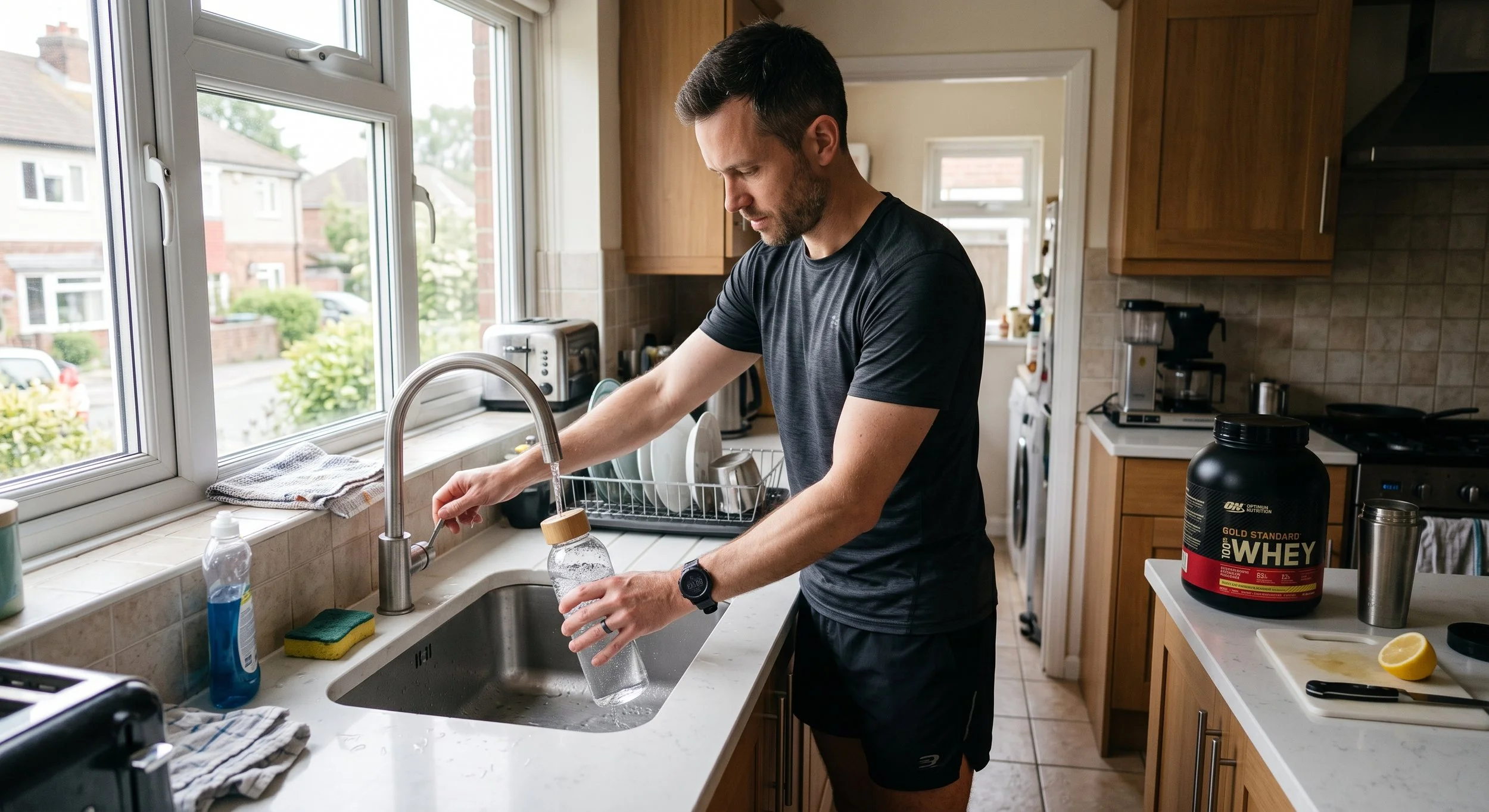
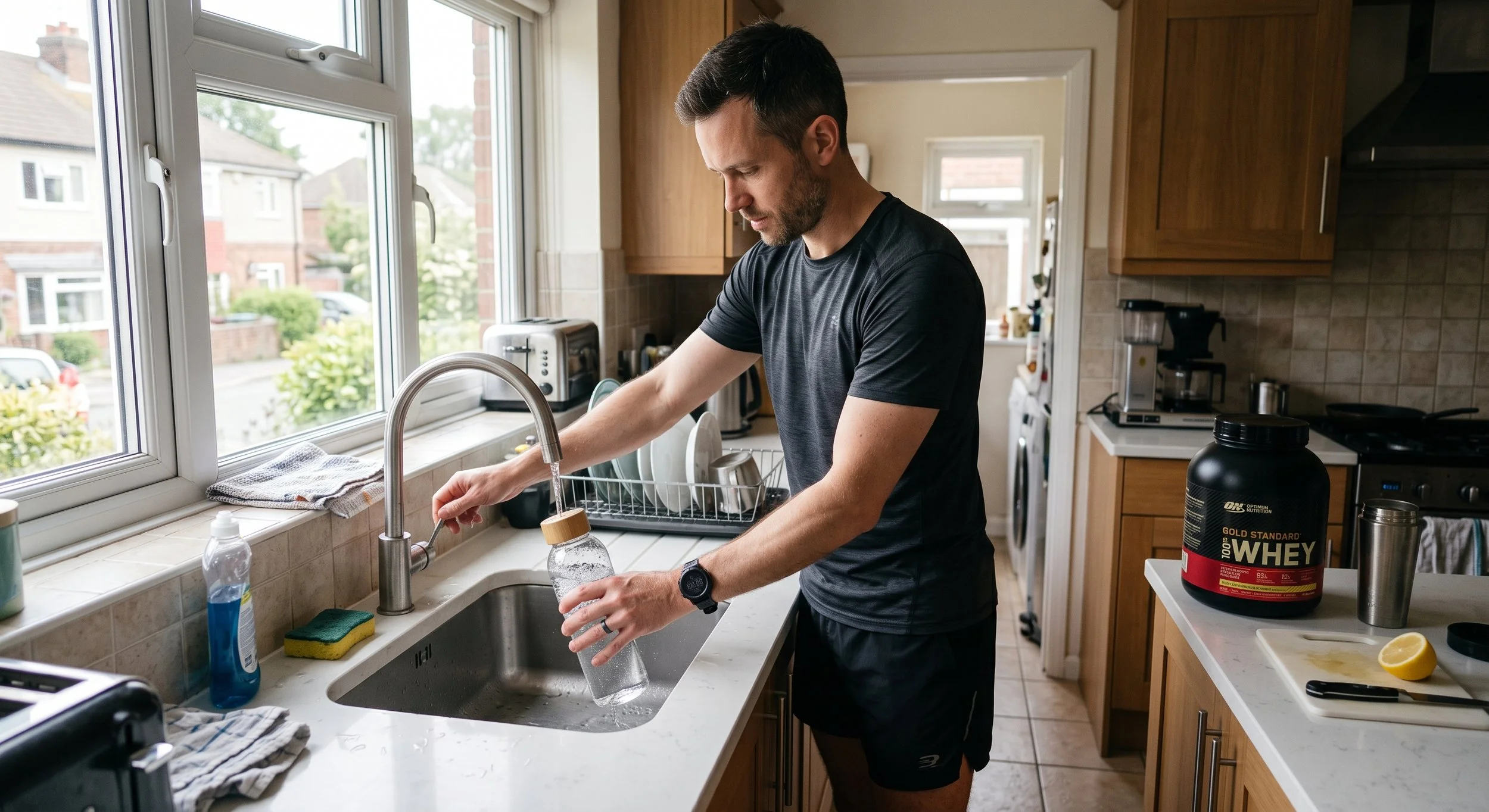
This image was created using AI to avoid copyright issues while conveying the context of this article.
Picture this: It is Sunday night. You look back at the last 48 hours and realize things did not go according to plan. Friday night brought extra pizza slices. Saturday included a few drinks with friends and a missed workout. Sunday turned into a lazy morning with a heavy brunch.
Suddenly, a familiar thought creeps into your head: "I ruined my whole week. I might as well eat whatever I want tonight and start over on Monday."
This is the all-or-nothing mindset in action. It is one of the biggest reasons people struggle to stay consistent with their fitness and health goals. But here is the truth that most extreme fitness gurus will not tell you: One off-track weekend will not destroy your progress, but the belief that you ruined everything absolutely will.
The Science of the "What the Hell" Effect
Psychologists have a name for this cycle. They call it the "What the Hell" effect. It happens when you set a strict rule for yourself, accidentally break it, and then decide that because you broke the rule, you might as well completely blow past all your limits.
Think about it like this: If you dropped your cell phone on the floor and noticed a small scratch on the screen, would you pick it up and smash it with a hammer until it was shattered? Of course not. That would be absurd. Yet, that is exactly what we do to our diet and exercise habits when we let one heavy meal turn into three days of overeating.
Your body does not run on a 24-hour clock that resets every Monday morning. Your progress is built over weeks, months, and years. One weekend off-track is simply a tiny blip on a very long timeline.
Step 1: Ditch the Guilt and Extra Cardio
When Monday morning rolls around after a heavy weekend, the most common reaction is panic. People try to punish themselves. They sign up for two cardio classes in one day. They cut their food intake in half to "make up for" the calories they ate over the weekend.
This approach almost always backfires.
When you starve yourself or over-exercise to punish your body, you create intense hunger and fatigue. By Wednesday or Thursday, your energy crashes, your cravings spike, and you end up overeating all over again. The cycle repeats, and you stay stuck in the same place for months.
Instead of trying to undo the weekend, accept it. You had some fun, ate some good food, and took a break. Now, simply return to your normal routine. Eat a balanced breakfast with plenty of protein. Drink a glass of water. Go for a brisk walk or hit your planned workout. Do not try to do extra. Just do what was already on your schedule.
Step 2: Use the "Next Decision" Rule
You do not need a fresh week, a new month, or a clean Monday morning to get back on track. You only need one good decision.
The next time you catch yourself overeating or missing a workout, stop and ask yourself a simple question: "What is the single best decision I can make right now?"
If you ate a heavy lunch, the next decision is to have a lean protein and vegetable dinner.
If you missed your morning workout, the next decision is to go for a 15-minute walk after work.
If you slept in on Saturday, the next decision is to drink a full bottle of water and prep a healthy meal.
Progress is not about perfection. It is about momentum. Making one good choice immediately stops the slide and builds your confidence back up.
Step 3: Stop Creating Rules You Hate
The all-or-nothing mindset thrives on rules that are too strict. If your fitness plan requires you to eat chicken and plain rice six times a day and train seven days a week, you are setting yourself up to fail. Life happens. Social events come up. Work gets busy.
A sustainable plan accounts for real life. It allows you to enjoy a meal out with your family without feeling like you failed. When your baseline routine is flexible, a fun weekend is no longer a crisis; it is just part of living a balanced life.
Focus on mastering the basics:
Aim for three to four solid strength training sessions each week.
Eat a palm-sized portion of protein with every main meal.
Get seven to eight hours of sleep each night.
Walk 7,000 to 10,000 steps daily.
When these habits become your baseline, an off-track weekend will not shake your confidence or stop your momentum. You do not need to restart your journey every Monday. You just need to keep moving forward, one choice at a time.
The "Failure Filter": How to Use Past Setbacks to Guarantee Future Success
Failure is not the opposite of success; it is a mandatory part of it. You do not need to avoid your past failures; you need to learn how to process them.
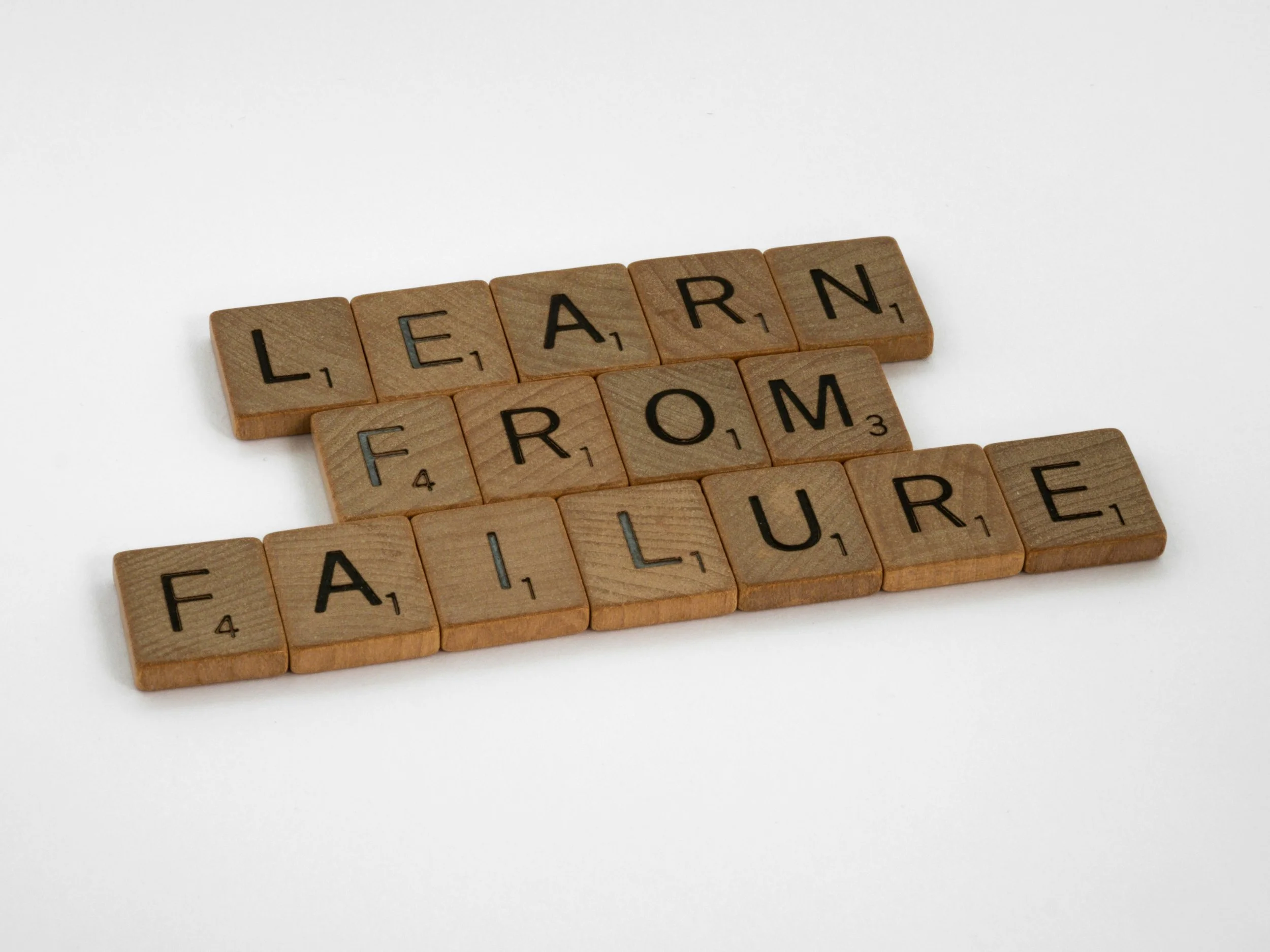
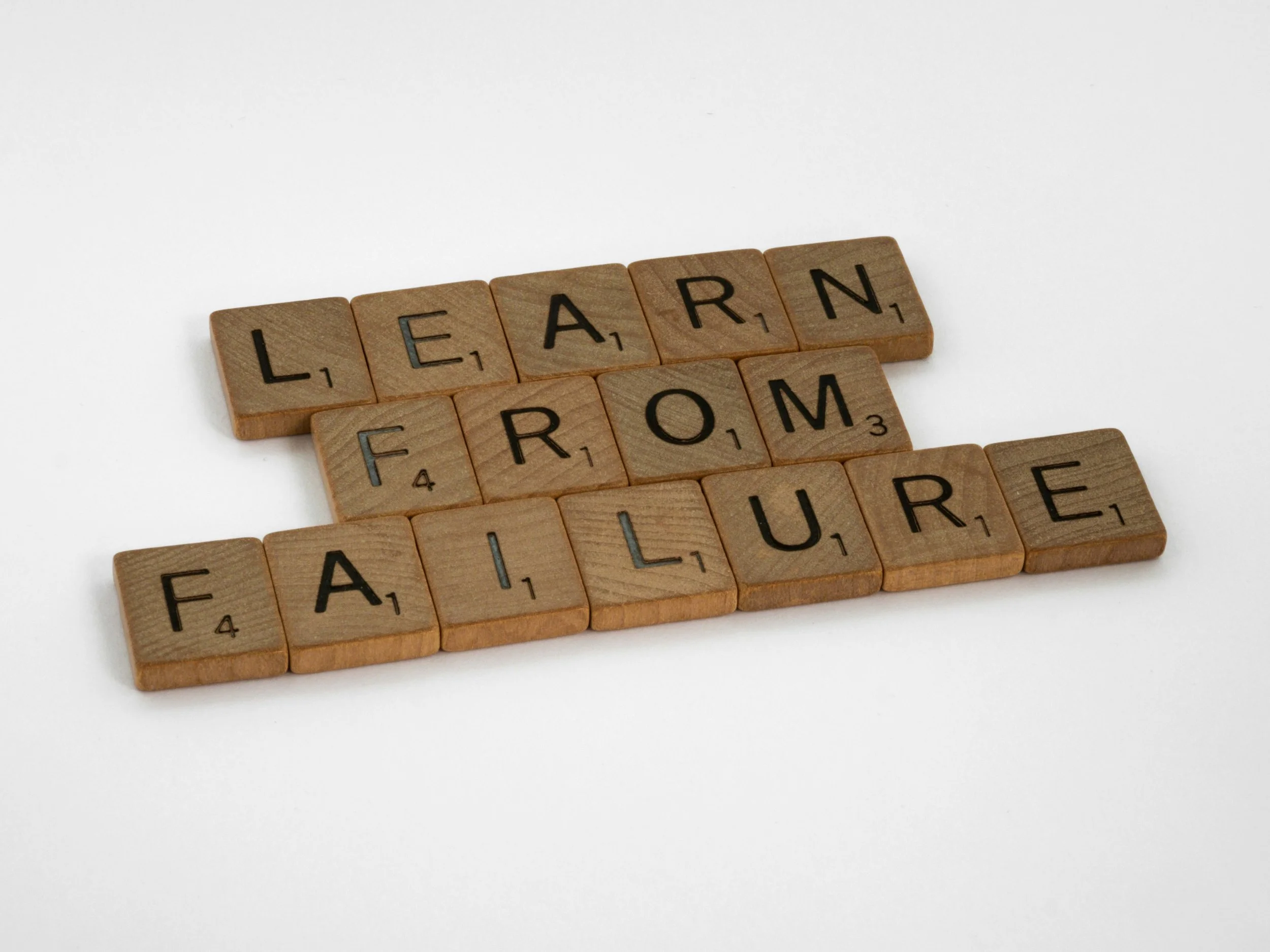
Image courtesy of Brett Jordan via Unsplash
As December comes to a close, many people look back at the resolutions they made last January and feel a pang of disappointment. Maybe they quit after a month, got injured, or simply drifted off track.
This feeling of failure is toxic because it often leads to the same outcome: making a huge, aggressive resolution on January 1st, then quitting by February because the memory of past failure haunts the new effort.
At Legacy Fitness & Nutrition, we believe failure is not the opposite of success; it is a mandatory part of it. You do not need to avoid your past failures; you need to learn how to process them. You need to run those setbacks through the Failure Filter.
The Failure Filter is a mindset tool that transforms disappointment into actionable, concrete data, allowing you to guarantee that your next attempt will be more successful.
Why We Must Analyze the Failure
Most people process failure through emotion: "I failed because I'm lazy," or "I failed because I lack willpower." This is a destructive, false narrative.
Success is rarely about willpower; it is about strategy and environment. When you fail, your system has simply given you highly specific data on where your strategy or environment broke down.
The Failure Filter has three simple questions to turn a setback into data:
1. Was the Plan Realistic? (The Scope Check)
Did you try to go from zero workouts to five 90-minute workouts a week? Did you go from eating highly processed foods to eating nothing but plain chicken and broccoli overnight?
Failure Data: The plan was too big, too fast, and too painful. It violated the principle of the Micro-Habit Playbook.
Future Strategy: Next time, start with an effort so small you cannot fail. For instance, put on your shoes for 5 minutes of movement, then build from there. Start with addition (more protein, more water) instead of drastic subtraction.
2. Was the Habit Stacked? (The Trigger Check)
Did you rely on willpower to start your workout or meal prep every single day? Willpower is weakest when we are stressed or tired. We need automatic triggers.
Failure Data: The habit didn't have an anchor. You relied on emotion rather than a system.
Future Strategy: Link your new action to an old, non-negotiable action. For example: "After I brush my teeth, I will drink a glass of water." Or, "As soon as I walk in the door, I will put on my workout clothes." You automate the start, making failure much harder.
3. Was the Recovery Honored? (The Sustainability Check)
Did you push through chronic fatigue? Did you ignore your body's pain signals? Did you try to cut too many calories while simultaneously ramping up intense exercise? (Remember our previous article, The 3 Rules of Recovery.)
Failure Data: You burned out because you treated your body like a machine, not a complex biological system.
Future Strategy: Schedule rest days first, and treat sleep (See our article, “Why You Can't "Out-Train" a Bad Sleep Schedule”) as the most important fitness component. If you are consistently exhausted, the plan needs to be cut in half, not pushed harder. Listen to the data your body is giving you.
The Resilience of Legacy
When you look back at past struggles through the lens of the Failure Filter, you see that you did not fail because of a personality flaw. You failed because of a solvable strategic flaw.
This knowledge gives you incredible power and resilience. You are not starting 2026 with a blind leap of hope; you are starting with a data-driven, tested plan based on knowing exactly what didn't work last time.
Use this strategic knowledge. Transform your past setbacks into your ultimate guarantee for future success. That is how you build a resilient, enduring legacy of health.