
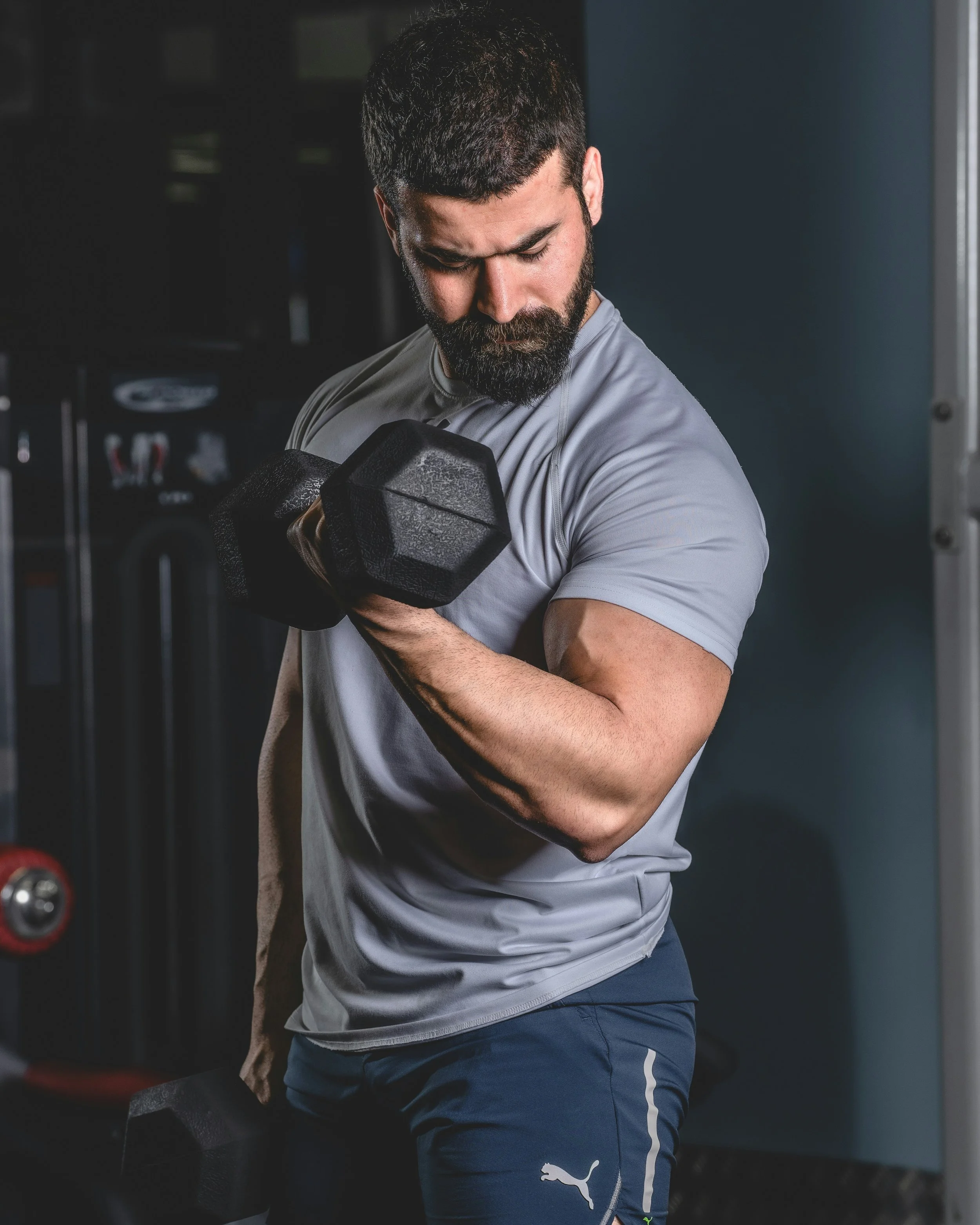
The Mind-Muscle Connection: Why "Squeezing" Matters More Than Moving the Weight
By mastering the mind-muscle connection, every single rep counts.
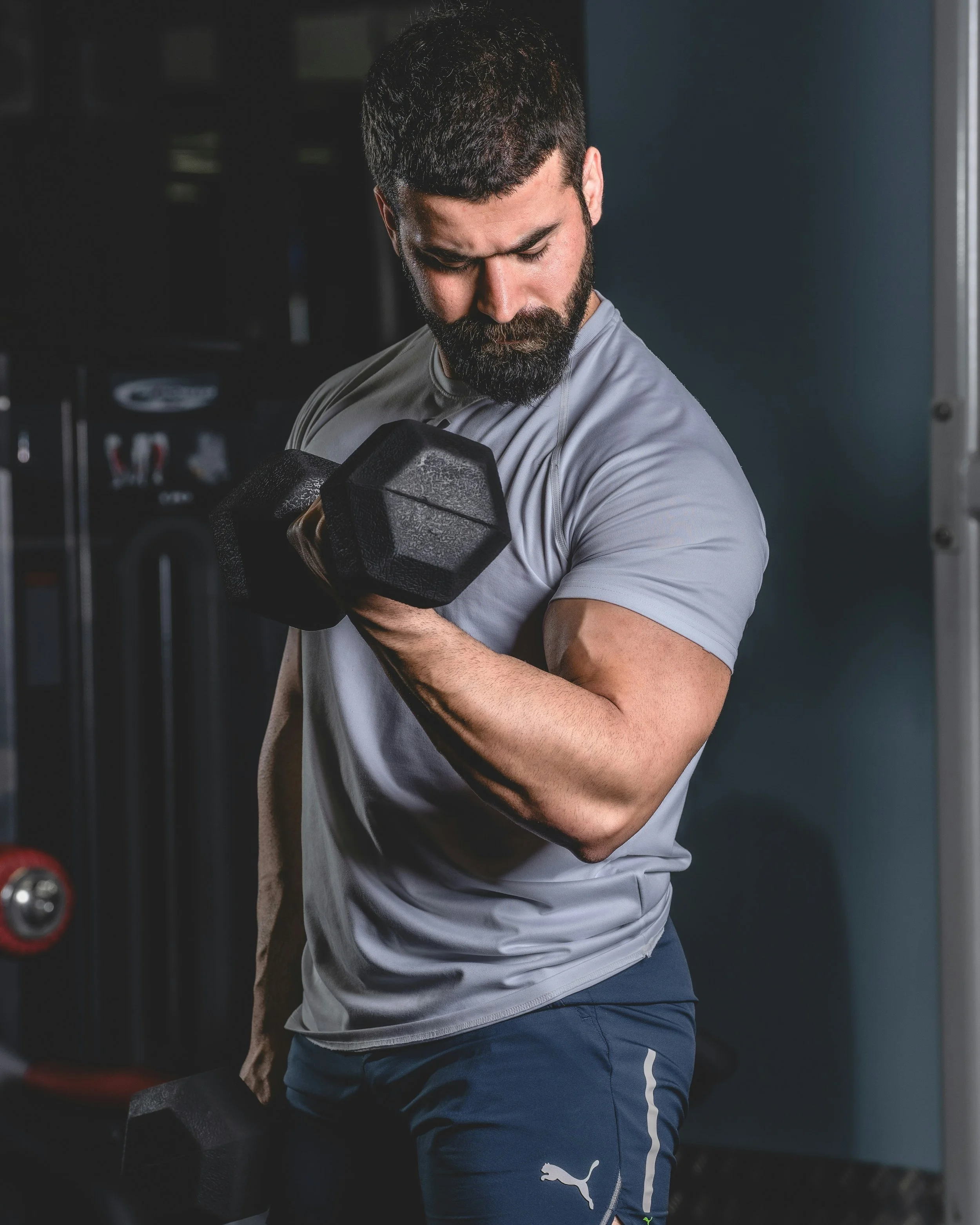
Photo by Bandan Mohammed on Unsplash
Have you ever finished a set of exercises and felt like you were just "going through the motions"? You moved the weight from point A to point B, but you didn't really feel the specific muscle working. Many people think that as long as the weight is moving, they are getting a good workout. However, there is a big difference between moving weight and training a muscle.
The secret to better results, and fewer injuries, is something called the Mind-Muscle Connection.
At Legacy Fitness, we teach our clients that the brain is the most important tool in the gym. If your brain isn't talking to your muscles, you are leaving a lot of progress on the table. By learning how to "feel" the muscle work, you can get better results with less weight and in less time.
What is the Mind-Muscle Connection?
The Mind-Muscle Connection is the ability to consciously and deliberately contract a specific muscle during an exercise. It is the bridge between your nervous system and your physical body.
When you lift a weight, your brain sends an electrical signal through your nerves to your muscle fibers. If you are just trying to move the weight as fast as possible, your body will take the path of least resistance. It will use momentum and other "helper" muscles to get the job done. But when you focus on the muscle you are trying to target, you force that specific muscle to do the heavy lifting.
Quality Over Quantity
Many people get caught up in the "ego" of lifting. They want to put as much weight on the bar as possible, even if their form starts to slip. This is often a recipe for injury.
When you focus on the mind-muscle connection, you realize that the weight is just a tool. The goal is to create tension in the muscle. If you can create a massive amount of tension with a 20-pound dumbbell by "squeezing" the muscle, that is often more effective than swinging a 40-pound dumbbell using momentum.
By slowing down and focusing on the contraction, you ensure that the work is going exactly where it belongs. This leads to better muscle growth, better definition, and much safer joints.
How to Build the Connection
If you struggle to "feel" your muscles working, don't worry. This is a skill that can be practiced and improved just like any other.
The "Internal" Focus: Before you start a set, close your eyes for a second and visualize the muscle you are about to use. If you are doing a row, think about your back muscles pulling your elbows back.
Slow Down the Negative: Most people drop the weight quickly after the "hard" part of the lift. Instead, take 2 or 3 seconds to lower the weight. This "eccentric" phase is where a lot of the mind-muscle connection is built.
The Peak Contraction: At the top of the movement, pause for a split second and "squeeze" the muscle as hard as you can. This "peak" is when the electrical signal from your brain is at its strongest.
The "Touch" Technique: If you are doing a one-handed exercise, use your free hand to touch the muscle that is working. This physical feedback helps your brain locate the muscle and fire the right fibers.
Why It Matters for Your Legacy
As we build a Legacy Body, we want to be efficient. We don't want to spend two hours in the gym doing "junk reps" that don't lead to results. By mastering the mind-muscle connection, every single rep counts. You become more in tune with your body, which helps you notice when something feels "off" before it turns into an injury.
It also makes the gym more engaging. Instead of just counting to ten, you are actively participating in the science of your own body. You are learning the language of your muscles.
Start Today
During your next workout, pick one exercise and forget about the weight on the bar. Focus entirely on the "squeeze." Feel the muscle stretch, feel it contract, and feel it work. You might find that you have to lower the weight, but you will also find that the pump and the results are better than ever before.
Master your mind, and your muscles will follow.
Next Steps:
Learning to feel the muscle work is a game-changer, but it's only one piece of the puzzle. If you're ready to see how the Mind-Muscle connection fits into a complete transformation strategy, Access my Beginner's QuickStart Guide. Let’s stop "going through the motions" and start building a body that performs. Get My Free Quickstart Guide