
The "Metabolic Reset": Simple Steps to Get Your Engine Ready for January
Before you jump into an intense new diet or workout routine, it is critical to address your body's engine: your metabolism.
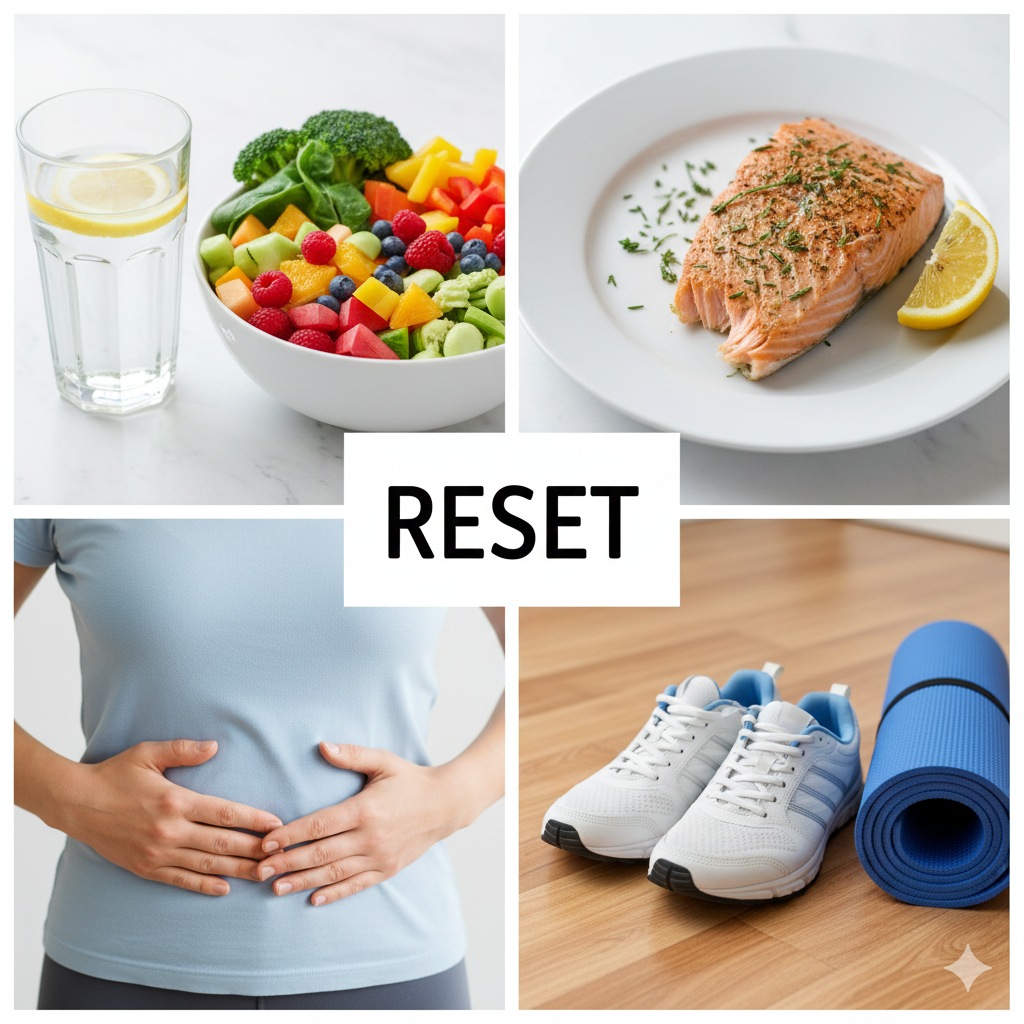
This image was created using AI to avoid copyright issues while still conveying the context of this article.
The end of December and the start of January always bring a massive focus on weight loss and fitness. Before you jump into an intense new diet or workout routine, it is critical to address your body's engine: your metabolism.
If you have spent December dealing with extra stress, inconsistent sleep, and richer foods, your metabolism might be running sluggishly. Trying to launch an intense new plan on a slow-running engine is a recipe for quick burnout and disappointment.
At Legacy Fitness & Nutrition, we recommend a simple "Metabolic Reset" in the final days of the year. This isn't a restrictive detox; it is a supportive, four-step strategy to naturally boost your body's fat-burning and energy processes, getting your engine primed and ready for the successful habits you plan to build in January.
1. Prime the Engine with Water and Fiber
The metabolism is a chemical process that requires two things to run smoothly: a catalyst (water) and clean fuel (fiber).
The Action: Focus on two non-negotiables for three days leading up to January 1st:
Water Loading: Drink at least half your body weight in ounces of water daily.
Fiber First: Every meal should include a substantial serving of fiber-rich vegetables (broccoli, spinach, bell peppers) or complex carbohydrates (oats, beans).
Why it Works: Water is essential for digestion and nutrient transport. Fiber supports gut health (which is crucial for metabolism) and helps your body flush waste, reducing bloating and the feeling of heaviness that slows you down.
2. The Power of Protein Density
Your metabolism is largely dependent on the amount of muscle tissue you have. To maintain that muscle and boost the energy required for digestion, you need to ramp up your protein intake.
The Action: Make protein the main focus of every meal. (This reinforces the principles from our article, “Protein Power for the New Year”.)
Example: Prioritize eggs or Greek yogurt for breakfast, chicken or fish for lunch, and a lean steak or plant-based protein for dinner.
Why it Works: Protein requires the most energy to digest (a phenomenon called the Thermic Effect of Food, or TEF). This means your body naturally burns more calories just by processing the protein you eat. This is a simple, passive way to raise your metabolic rate.
3. Rebalance Your Stress Hormones
As discussed in the Stress Management article (“Your Secret Fitness Weapon”), chronic stress and high cortisol actively signal your body to slow down fat burning and store energy. A key part of the reset is intentionally lowering cortisol.
The Action: Incorporate two daily 10-minute sessions of intentional stress reduction:
Box Breathing: 10 minutes of controlled breathing (inhale 4, hold 4, exhale 4, wait 4).
Digital Sunset: Begin winding down without screens 60 minutes before your ideal bedtime. (Reinforcing our article, “Why You Can't "Out-Train" a Bad Sleep Schedule”.)
Why it Works: This active intervention signals to your body's nervous system that the "crisis" is over, allowing cortisol levels to drop. When cortisol is low, your body is more willing to release stored fat for energy.
4. Light Movement: The Daily Ignition
If your body has been largely sedentary, jumping straight into a high-intensity workout can be a shock. The metabolic reset requires light movement to wake up your muscles without causing stress.
The Action: Commit to two 20-minute sessions of light movement daily: a morning walk and a light evening stretch or yoga flow.
Why it Works: This low-stress movement stimulates blood flow, wakes up muscle tissue, and prevents the stiff, heavy feeling of a sedentary lifestyle. It acts as the ignition switch that tells your body, "It's time to burn fuel again."
By dedicating the final days of December to this supportive Metabolic Reset, you ensure that when you start your New Year's goals, your body's engine is running clean, fast, and ready to go. You will start January with momentum, not metabolic resistance.

Stoking Your Inner Furnace: 5 Simple Ways to Boost Your Metabolism
Have you ever wondered why some people seem to eat whatever they want and never gain a pound, while others feel like they just look at food and put on weight?

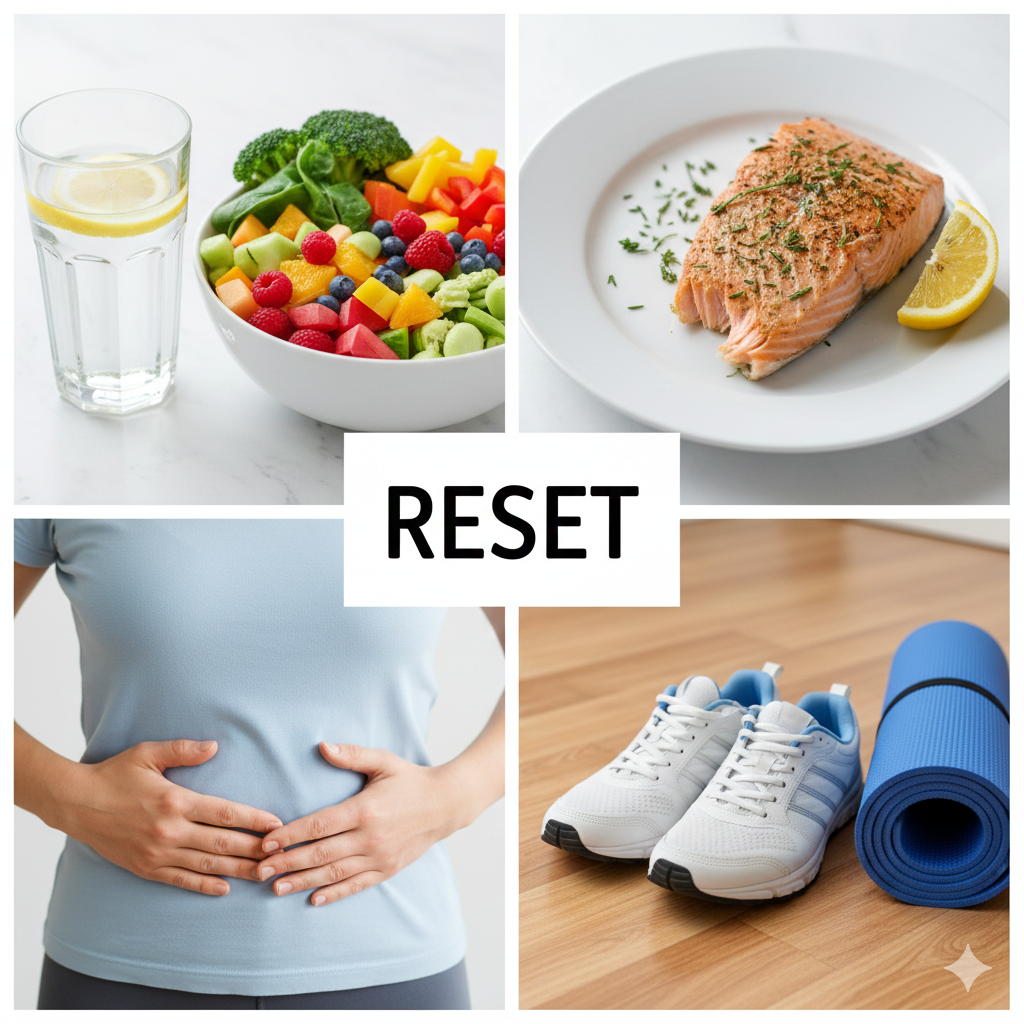
This image was created with AI to avoid copyright issues while conveying the meaning of this article
Have you ever wondered why some people seem to eat whatever they want and never gain a pound, while others feel like they just look at food and put on weight? A lot of it comes down to something called metabolism. Your metabolism is basically your body's engine – it's the process by which your body converts what you eat and drink into energy. A faster metabolism means your body burns more calories, even when you're resting.
While genetics play a part, your metabolism isn't set in stone. There are many simple, powerful ways you can stoke your inner furnace and get your body burning calories more efficiently. It's not about magic pills or extreme diets; it's about smart, consistent habits that add up to big results.
1. Build More Muscle
This is probably the most impactful way to boost your metabolism. Muscle tissue burns more calories at rest than fat tissue does. Think of it like this: muscles are active and always working, even when you’re just sitting on the couch. The more muscle you have, the more calories your body naturally burns throughout the day.
How to do it: Start strength training! This doesn't mean you need to become a bodybuilder. Aim for 2-3 full-body strength workouts per week, focusing on major muscle groups with exercises like squats, push-ups, rows, and lunges. Use weights that challenge you, or even just your own body weight.
2. Don't Skip Breakfast
You've heard that breakfast is the most important meal of the day, and for your metabolism, it's especially true. Eating breakfast jumpstarts your metabolism after a long night of sleep. It tells your body that fuel is available and it's time to start burning calories. Skipping it can signal your body to conserve energy, potentially slowing things down.
How to do it: Aim for a breakfast that includes protein and complex carbohydrates. Think eggs and whole-wheat toast, oatmeal with berries and nuts, or Greek yogurt with fruit.
3. Hydrate, Hydrate, Hydrate
Water is essential for almost every bodily function, including your metabolism. If you're even slightly dehydrated, your metabolism can slow down. Water also helps your body break down nutrients and transport them to where they need to go, making all metabolic processes more efficient.
How to do it: Make water your go-to drink. Aim for at least 8 glasses (around 2 liters) per day, and more if you’re exercising or it's hot. Keep a water bottle handy and sip throughout the day.
4. Get Enough Sleep
In our busy lives, sleep is often the first thing to go. But lack of sleep can seriously mess with your hormones, including those that regulate your metabolism and appetite. When you don’t get enough shut-eye, your body produces more cortisol (the stress hormone) and ghrelin (the hunger hormone), which can lead to increased cravings and a slower metabolism.
How to do it: Aim for 7-9 hours of quality sleep each night. Create a relaxing bedtime routine, make your bedroom dark and cool, and try to go to bed and wake up around the same time each day, even on weekends.
5. Eat Enough Protein
Protein has a higher "thermic effect" than carbs or fats. This means your body uses more energy to digest and process protein than it does for other macronutrients. So, by eating more protein, you're essentially burning more calories just by eating! Protein also helps you feel fuller for longer, which can prevent overeating.
How to do it: Include a source of lean protein at every meal. Good options include chicken, turkey, fish, eggs, beans, lentils, and Greek yogurt.
Boosting your metabolism isn't about quick fixes; it's about building consistent, healthy habits that support your body's natural calorie-burning power. By focusing on strength training, smart eating, hydration, and sleep, you can stoke your inner furnace and enjoy more energy, easier weight management, and a healthier you.