

The Best Low-Impact Cardio for People Who Hate Running
Have you ever looked at a runner gliding past and thought, "That looks miserable"? The good news is that running is not the only way to get a great cardio workout. Low-impact doesn't mean low-effort.

Have you ever looked at a runner gliding past and thought, "That looks miserable"? You're not alone. Many people hate running (myself included), and for good reasons, it can be tough on the knees, boring, or just feel like a chore.
The good news is that running is not the only way to get a great cardio workout. Cardio simply means working your heart and lungs, and you can absolutely get a strong, calorie-burning, heart-healthy workout without pounding the pavement. Best of all, low-impact cardio is much kinder to your joints, which is key for staying fit for the long haul.
Low-impact doesn't mean low-effort. It just means at least one foot (or hand) stays connected to the ground or equipment at all times. This prevents the jarring shock that can bother your knees, hips, and back.
Here are the best ways to get your heart rate up and burn calories without ever taking a running stride.
1. The Underrated Power of Rucking
You might not know the term, but rucking is a growing fitness trend that’s as simple as it is effective. Rucking is just walking with a weighted backpack. It’s what soldiers have done for centuries, but for fitness, it’s a game-changer. Personally, I’ve been doing three 15-20 minute ruck walks, most days for the past couple years.
Why it works: By adding weight (start with 10–15 pounds of books, sandbags, or water bottles), you increase the work your muscles have to do to move forward. This boosts your calorie burn significantly, making a simple walk much more effective.
The benefits: It builds core strength, strengthens your back, improves posture (you have to stand up straight to carry the weight), and is totally low-impact. You can do it anywhere: your local park, neighborhood sidewalks, or a hiking trail.
How to start: Use a comfortable backpack that sits high on your back. Keep the weight snug and close to your body so it doesn't shift around. Start with a light load and stick to flat ground until your body gets used to the extra resistance.
2. Cycling: The Ultimate Joint Saver
Whether you're on a spin bike at the gym, a stationary bike at home, or cruising on a road bike outside, cycling is the gold standard of low-impact cardio. My own coach wanted to me increase my cardio a couple years ago, so I added 30 mins 5 days a week.
Why it works: Your feet are constantly connected to the pedals, so there’s zero impact. Cycling is excellent for building strength in your quads, hamstrings, and glutes, and you have total control over the intensity. You can make it easy with a leisurely pace or tough by increasing the resistance.
The benefits: Cycling is fantastic for heart health and building endurance. It allows you to push yourself to a very high intensity (which is great for calorie burn) without stressing your joints.
How to start: If you're using a stationary bike, focus on your cadence (how fast you pedal) and your resistance. Try a structured interval workout: pedal fast for 60 seconds with medium resistance, then slow down for 60 seconds. Repeat 8–10 times.
3. The Elliptical Machine: A Runner’s Dream, Without the Impact
The elliptical trainer, often called the cross-trainer, is an incredible machine that lets you use both your arms and legs. It mimics the motion of running or cross-country skiing, but the smooth, gliding movement means your joints never experience impact.
Why it works: The elliptical allows you to work your entire body at once—your legs push the pedals, and your arms pull the handles. Using more muscles means you burn more calories in less time.
The benefits: It’s customizable. You can adjust the resistance to focus on building leg strength, and you can change the incline to target your glutes (the biggest muscles in your body!).
How to start: Don’t just hold on for dear life! Use the handles to push and pull actively. Instead of steady-state cardio, try working backward for a few minutes—it works your hamstrings and calves in a unique way and helps keep your workout interesting.
4. Swimming and Water Aerobics: Zero Gravity Fitness
Nothing is gentler on the body than working out in water. Swimming is a classic full-body workout, but if you don't enjoy lap swimming, water aerobics or even just walking against the resistance of the water can be incredibly effective.
Why it works: Water supports about 90% of your body weight. This reduces the strain on every joint. The water itself provides resistance in every direction, which helps build muscle tone while you’re doing cardio.
The benefits: Swimming uses nearly every major muscle group in the body, making it a highly efficient workout. Water workouts are also incredibly relaxing, helping to clear your mind while you exercise.
How to start: If swimming laps is not your thing, try a water walking routine in the deep end. Wear a float belt and use the water resistance to push your arms and legs back and forth, like walking in slow motion.
5. The Step Machine or Stair Climber: Climb to Fitness
The stair climber is a beast of a machine. It mimics climbing stairs, which is an essential functional movement for life. This machine works your glutes, hamstrings, and calves like almost nothing else, all with a very controlled, low-impact motion.
Why it works: Climbing is a naturally harder movement than walking on a flat surface. Since you are stepping up, your biggest muscle groups (the glutes and quads) are constantly engaged, leading to a high calorie burn and better overall leg strength.
The benefits: It’s an incredible tool for strengthening the muscles that support your knees, which is a major win for long-term joint health. It also elevates your heart rate quickly.
How to start: To get the best results, avoid leaning heavily on the railings. If you need to hold on, use a light grip just for balance. Stand tall, keep your shoulders back, and push through your whole foot (not just your toes) to make those glutes do the heavy lifting.
Embrace Your Workout, Your Way
The biggest mistake people make is thinking that a good workout has to feel like punishment. If you hate running, forcing yourself to do it every day is the fastest way to quit.
The key to long-term fitness is consistency. Find the low-impact cardio option you genuinely enjoy—whether it's cycling through a scenic route, rucking in the park, or gliding on an elliptical—and stick with it. Your joints will thank you, and your heart will be stronger for it.

Moving Beyond HIIT: Why Low-Impact Workouts Like Pilates and Walking Are Becoming the New Powerhouse for Hormone Health
While HIIT is great for burning a lot of calories quickly, experts are now realizing that doing too much intense exercise can actually work against your goals, especially as we get older and our lives get more stressful.
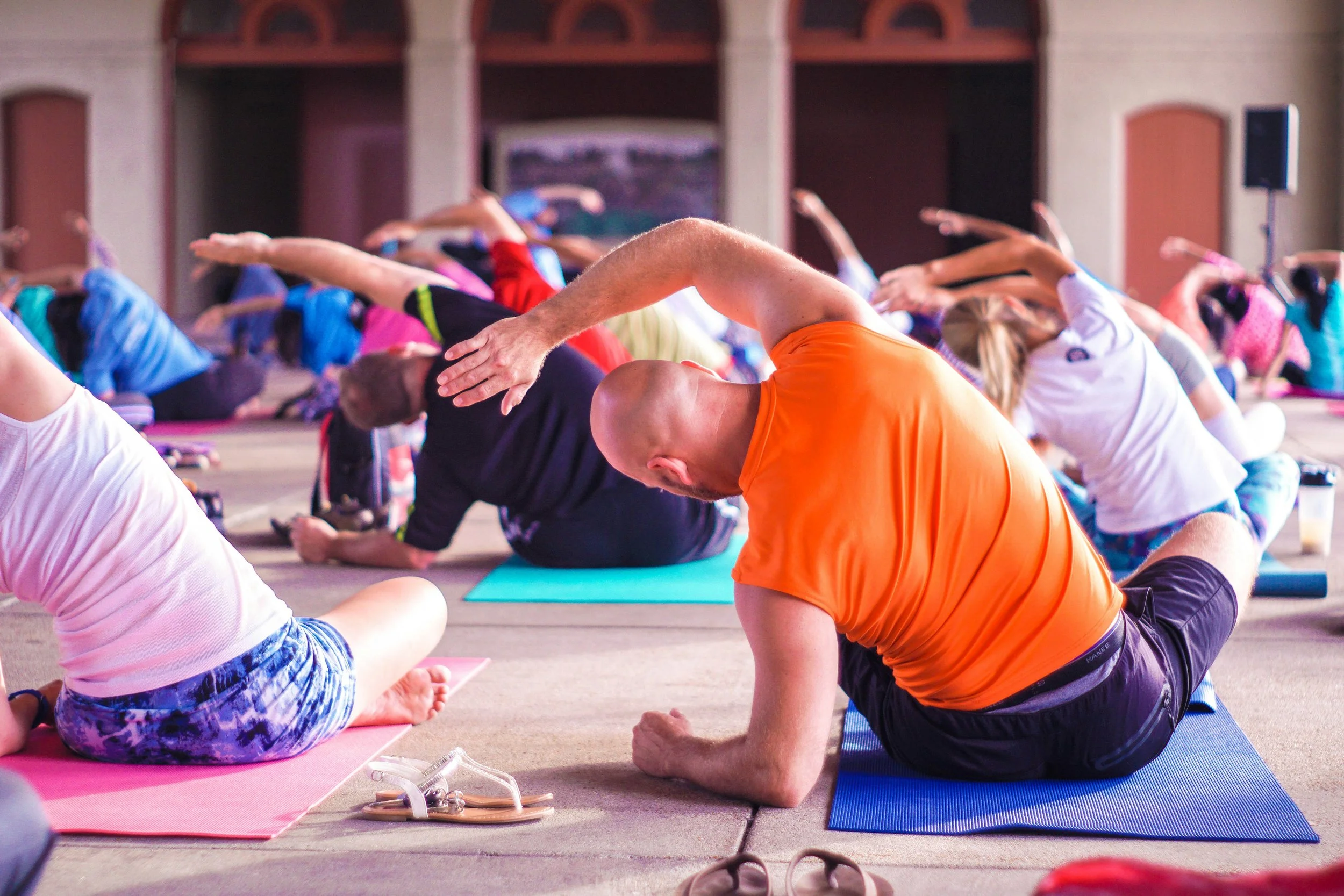
For the past decade, the fitness world was obsessed with HIIT (High-Intensity Interval Training). We were told to push ourselves to the limit, leaving the gym dripping in sweat and feeling completely exhausted. While HIIT is great for burning a lot of calories quickly, experts are now realizing that doing too much intense exercise can actually work against your goals, especially as we get older and our lives get more stressful.
The new focus is on low-impact workouts, and it's a huge step forward for long-term health, hormone balance, and mental well-being—all essential for navigating the stress of the fall season.
The Stress Hormone Problem
When you do a very intense workout (like a tough HIIT class or an hour of high-speed cardio), your body releases a stress hormone called cortisol. Cortisol is not a bad thing; it’s what gives you the burst of energy to push through a workout.
The problem is when you constantly push your body to its max every single day on top of life's regular stresses (work, family, lack of sleep). When cortisol levels stay high all the time:
It Wrecks Your Sleep: High cortisol at night makes it hard to wind down and get quality rest.
It Holds onto Weight: Your body can start storing fat, especially around the middle, as it prepares for a perceived crisis.
It Hinders Recovery: Constant stress prevents your muscles from fully repairing, leading to burnout and injury.
For busy people over 40, whose hormones are often already shifting, high-intensity overtraining can be counterproductive to the goal of building a lasting legacy of health.
The Rise of the Low-Impact Powerhouse
Low-impact workouts are exercises that put less stress on your joints and, crucially, less stress on your body's hormonal system. They still build incredible strength, but they do it in a way that supports your body, not tears it down.
Two workouts, in particular, are proving to be powerhouse options:
1. Pilates: Core Strength and Control
Pilates focuses on core strength, muscle control, posture, and stability. You don't need heavy weights or a racing heart rate to see major benefits.
Hormone Benefit: The focus on breathing and precise, controlled movements is calming. It improves the mind-body connection, which helps switch your body from its "fight or flight" stress mode to its "rest and digest" recovery mode.
Real-Life Benefit: It protects your joints and spine, making everyday activities—like picking up a grandkid or moving furniture—safer and easier.
2. Walking: The Original Wellness Tool
Walking is experiencing a massive comeback, and for good reason. It’s accessible, free, and incredibly effective.
Hormone Benefit: Studies show a brisk walk is one of the best activities for reducing cortisol and boosting feel-good hormones. It provides enough movement to burn fat and increase blood flow without causing the stress response of high-intensity exercise.
Mental Health Benefit: Walking, especially outdoors in the fall air, is a form of moving meditation. It clears the mind, reduces anxiety, and helps you process the day's events.
Building a Balanced Fall Schedule
This isn't about giving up all intensity. It's about being smarter about when and how you use it. To support your hormones and avoid burnout this fall:

Moving forward, embrace the idea that a quieter, more controlled workout can sometimes be the most powerful tool in your fitness arsenal. By choosing smart, low-impact activities, you're not just protecting your joints; you’re managing your stress and building a hormonal foundation for sustained health and energy through the holidays and beyond.
Feeling like your workouts are leaving you more drained than energized? You may be caught in the high-cortisol trap. If you're ready for a training plan that supports your hormones and your busy life, click here to book a free 15-minute consultation to chat with a Legacy Fitness coach about a personalized balance plan.

Beyond the Gym: Embracing Low-Impact Workouts for Sustainable Health
When we think about exercise, our minds often jump to high-energy activities like running, jumping, or intense weightlifting. But what if there was a way to stay fit, strong, and healthy that was gentler on your body? Enter low-impact workouts.

When we think about exercise, our minds often jump to high-energy activities like running, jumping, or intense weightlifting. But what if there was a way to stay fit, strong, and healthy that was gentler on your body? Enter low-impact workouts. These exercises are gaining popularity, and for good reason!
What Are Low-Impact Workouts?
Simply put, low-impact workouts are exercises where at least one foot (or hand) stays on the ground, or where there's less stress put on your joints. This means less pounding and jarring motion compared to activities like jumping jacks or running.
Examples of Low-Impact Workouts:
Walking: The simplest and most accessible low-impact exercise. A brisk walk is great for your heart, muscles, and mind.
Swimming: A full-body workout that's incredibly gentle on your joints because the water supports your weight.
Cycling: Whether on a stationary bike or outdoors, cycling builds leg strength and cardio fitness without heavy impact.
Yoga: Improves flexibility, strength, balance, and helps with stress reduction.
Pilates: Focuses on core strength, muscle control, flexibility, and posture.
Elliptical Machine: Mimics running or walking without the impact, providing a great cardio workout.
Resistance Band Exercises: Can build strength without needing heavy weights or high impact.
Why Choose Low-Impact? The Benefits are Huge!
Gentle on Your Joints: This is the biggest advantage. If you have joint pain (knees, hips, ankles), are recovering from an injury, or simply want to protect your joints for the long term, low-impact is ideal.
Sustainable for Life: These activities are often easier to keep doing as you get older, or if you have specific health conditions. They allow you to stay active consistently, which is key for long-term health.
Reduces Risk of Injury: Less pounding means less stress on your bones, muscles, and joints, lowering your chances of sprains or strains.
Great for All Fitness Levels: Whether you're just starting your fitness journey or are a seasoned athlete looking for active recovery, low-impact options can fit your needs.
Mental Well-being: Many low-impact activities like walking, yoga, and swimming are also fantastic for reducing stress, improving mood, and boosting mental clarity. They can be meditative and calming.
Builds Strength and Endurance: Don't think low-impact means low intensity! You can still get a fantastic workout that builds muscle, improves heart health, and boosts your stamina.
Make it Part of Your Routine:
You don't have to give up all your high-impact activities. Low-impact workouts can be a great addition to your current routine. Maybe you walk on your "rest" days, or try a yoga class to improve your flexibility. They offer a balanced approach to fitness, helping you build a healthy, strong body that lasts. Embrace the gentle power of low-impact exercise and feel the difference!