
Rethinking Cardio: Why Steady State is Better Than HIIT for Long-Term Fat Loss
While HIIT is a valuable tool, it is often misunderstood and overused. Low-Intensity Steady State (LISS) cardio, like brisk walking or cycling, is a more effective, safer, and less stressful tool for consistent fat loss
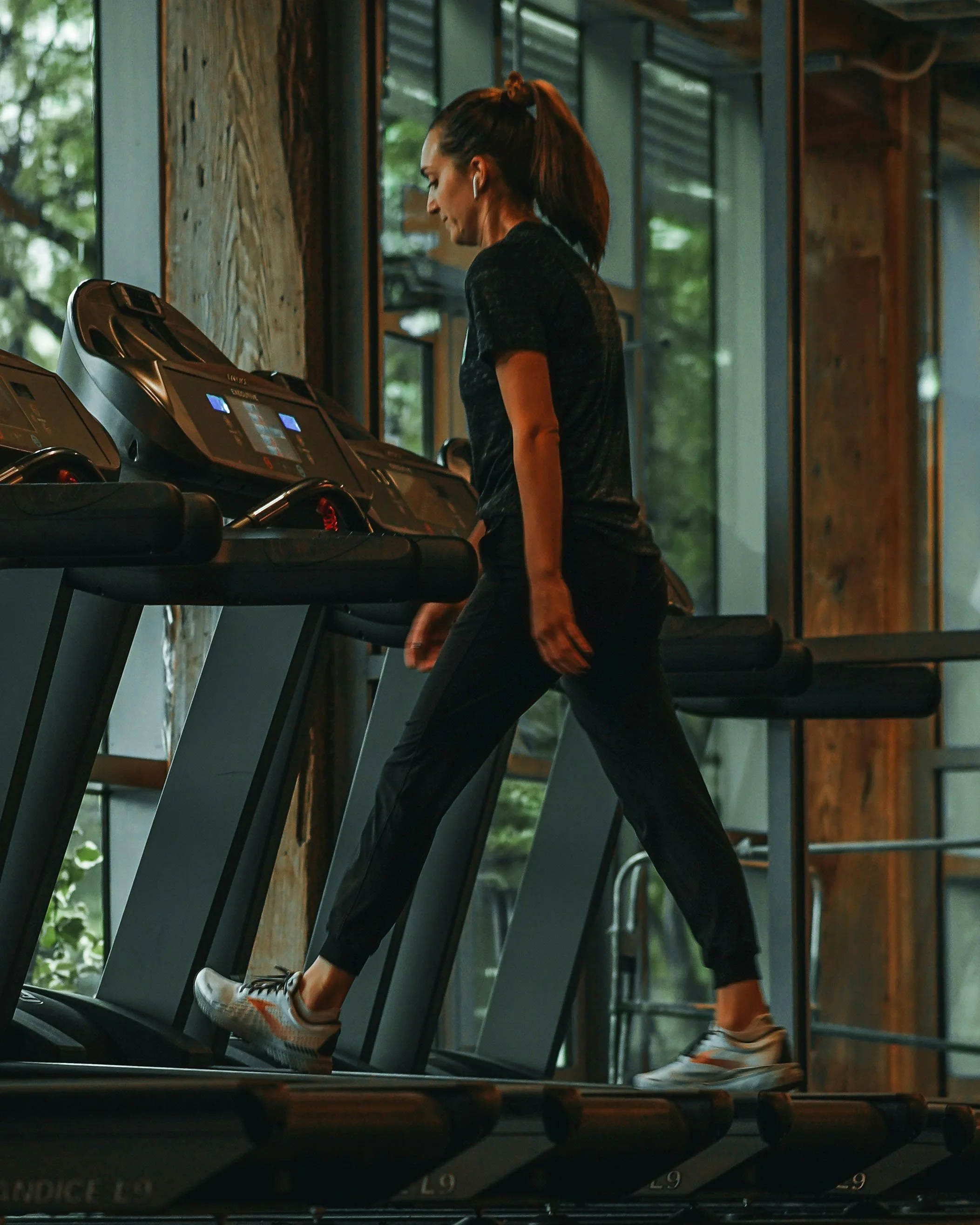
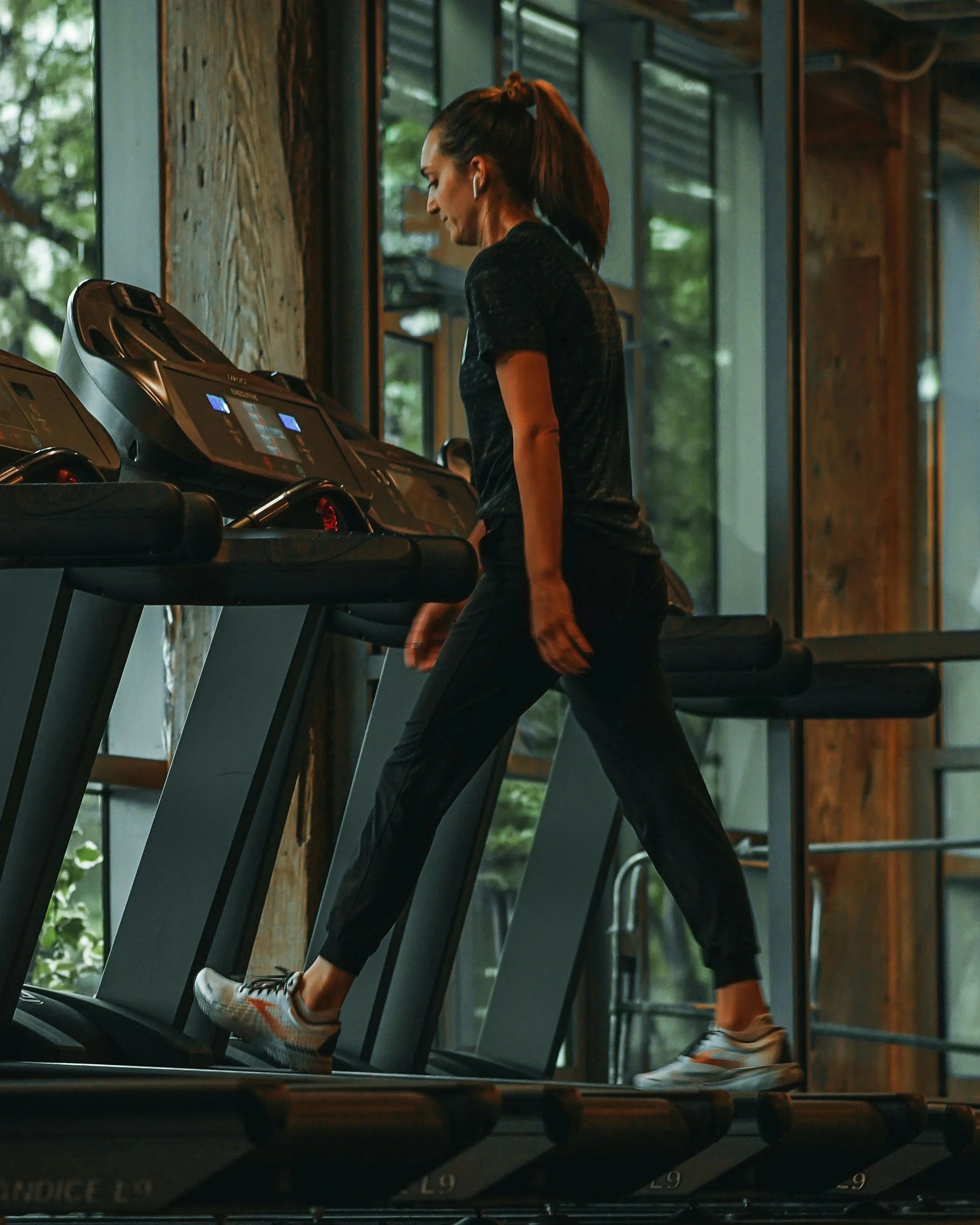
Image courtesy of Mike Cox via Unsplash
High-Intensity Interval Training (HIIT) has been a massive trend for years. It is fast, efficient, and promises maximum calorie burn in minimal time. When setting ambitious New Year's goals, many people feel they must punish themselves with relentless, breathless bursts of effort.
While HIIT is a valuable tool, it is often misunderstood and overused, making it a poor choice for the average person seeking sustainable, long-term fat loss and building a health legacy.
At Legacy Fitness & Nutrition, we encourage a strategic approach: For most people, Low-Intensity Steady State (LISS) cardio, like brisk walking or cycling, is a more effective, safer, and less stressful tool for consistent fat loss. It is time to rethink your cardio.
The Hidden Cost of Too Much HIIT
The issue with HIIT isn't that it doesn't burn calories; it is that it places immense stress on your system, which can work against the goals of fat loss and recovery.
It Spikes Cortisol: HIIT is a massive stressor. When you push yourself to the limit, your body floods your system with cortisol (as discussed in Your Secret Fitness Weapon). Chronic, elevated cortisol signals your body to store fat, particularly around the midsection, and also ramps up sugar cravings, undermining your diet.
It Kills Recovery: Constantly pushing high-intensity effort depletes your glycogen stores and delays muscle recovery, forcing you to skip lifting or feel too exhausted to work out the next day (see article, The 3 Rules of Recovery). This creates inconsistency, which is the enemy of all progress.
It Increases Injury Risk: When you are pushing intensity, your form often breaks down, making you much more prone to joint and soft tissue injuries, which halts all training.
The Power of Steady State (LISS) Cardio
LISS cardio involves maintaining a comfortable, conversational pace for a longer duration (30 to 60 minutes). This means you should be able to talk easily while moving.
1. The Low-Stress Fat Burn
LISS keeps your heart rate comfortably elevated but crucially, keeps your body out of the high-stress, cortisol-spiking zone. LISS is often performed at a heart rate where your body naturally prefers to use stored fat as its primary fuel source. Your body isn't in panic mode; it is in efficiency mode.
2. The Recovery Accelerator
Unlike HIIT, LISS actually aids in recovery. The gentle, sustained movement increases blood flow to your muscles, helping to flush out waste products and transport nutrients for repair. It is active recovery that is easy to stick with daily.
3. The Consistency Builder
LISS is easy to do every day and requires no special equipment; you can simply take a brisk walk (as discussed in The Power of the 15-Minute Home Workout). This ease of entry ensures you maintain the consistency that is the true driver of long-term fat loss.
How to Strategically Use Cardio
For the most effective health legacy, integrate both types of cardio strategically:
LISS (The Foundation): Perform 3 to 5 times per week for 30 to 60 minutes. Use LISS on your rest days or active recovery days.
HIIT (The Accelerator): Use only 1 to 2 times per week, primarily on days when your stress level is low, your sleep was optimal, and your recovery is complete.
For long-term fat loss, resilience, and stress management, prioritize the gentler, more strategic effort of steady state cardio. It is the sustainable path to building an enduring fitness legacy.

Moving Beyond HIIT: Why Low-Impact Workouts Like Pilates and Walking Are Becoming the New Powerhouse for Hormone Health
While HIIT is great for burning a lot of calories quickly, experts are now realizing that doing too much intense exercise can actually work against your goals, especially as we get older and our lives get more stressful.
For the past decade, the fitness world was obsessed with HIIT (High-Intensity Interval Training). We were told to push ourselves to the limit, leaving the gym dripping in sweat and feeling completely exhausted. While HIIT is great for burning a lot of calories quickly, experts are now realizing that doing too much intense exercise can actually work against your goals, especially as we get older and our lives get more stressful.
The new focus is on low-impact workouts, and it's a huge step forward for long-term health, hormone balance, and mental well-being—all essential for navigating the stress of the fall season.
The Stress Hormone Problem
When you do a very intense workout (like a tough HIIT class or an hour of high-speed cardio), your body releases a stress hormone called cortisol. Cortisol is not a bad thing; it’s what gives you the burst of energy to push through a workout.
The problem is when you constantly push your body to its max every single day on top of life's regular stresses (work, family, lack of sleep). When cortisol levels stay high all the time:
It Wrecks Your Sleep: High cortisol at night makes it hard to wind down and get quality rest.
It Holds onto Weight: Your body can start storing fat, especially around the middle, as it prepares for a perceived crisis.
It Hinders Recovery: Constant stress prevents your muscles from fully repairing, leading to burnout and injury.
For busy people over 40, whose hormones are often already shifting, high-intensity overtraining can be counterproductive to the goal of building a lasting legacy of health.
The Rise of the Low-Impact Powerhouse
Low-impact workouts are exercises that put less stress on your joints and, crucially, less stress on your body's hormonal system. They still build incredible strength, but they do it in a way that supports your body, not tears it down.
Two workouts, in particular, are proving to be powerhouse options:
1. Pilates: Core Strength and Control
Pilates focuses on core strength, muscle control, posture, and stability. You don't need heavy weights or a racing heart rate to see major benefits.
Hormone Benefit: The focus on breathing and precise, controlled movements is calming. It improves the mind-body connection, which helps switch your body from its "fight or flight" stress mode to its "rest and digest" recovery mode.
Real-Life Benefit: It protects your joints and spine, making everyday activities—like picking up a grandkid or moving furniture—safer and easier.
2. Walking: The Original Wellness Tool
Walking is experiencing a massive comeback, and for good reason. It’s accessible, free, and incredibly effective.
Hormone Benefit: Studies show a brisk walk is one of the best activities for reducing cortisol and boosting feel-good hormones. It provides enough movement to burn fat and increase blood flow without causing the stress response of high-intensity exercise.
Mental Health Benefit: Walking, especially outdoors in the fall air, is a form of moving meditation. It clears the mind, reduces anxiety, and helps you process the day's events.
Building a Balanced Fall Schedule
This isn't about giving up all intensity. It's about being smarter about when and how you use it. To support your hormones and avoid burnout this fall:

Moving forward, embrace the idea that a quieter, more controlled workout can sometimes be the most powerful tool in your fitness arsenal. By choosing smart, low-impact activities, you're not just protecting your joints; you’re managing your stress and building a hormonal foundation for sustained health and energy through the holidays and beyond.
Feeling like your workouts are leaving you more drained than energized? You may be caught in the high-cortisol trap. If you're ready for a training plan that supports your hormones and your busy life, click here to book a free 15-minute consultation to chat with a Legacy Fitness coach about a personalized balance plan.