

Beans & Budgeting: High-Protein, High-Fiber Meals for Less
You don't need a massive salary to have a massive legacy. True fitness is about being resourceful.

This image was created using AI to avoid copyright issues while conveying the context of this article. (I couldn’t get it to fix the jar and lid situation going on here…lol)
In the fitness world, there is a common myth that eating healthy has to be expensive. We see influencers touting $15 smoothies, $40 grass-fed steaks, and exotic "superfoods" that require a second mortgage just to stock the pantry. By the middle of February, many people are tempted to quit their new habits simply because their grocery bill has skyrocketed.
But in 2026, the real "insider" secret to metabolic health isn't expensive, it is found in the humble, dry goods aisle. Welcome to the world of Beans & Budgeting.
If you want to hit your 4:1 protein-to-fiber ratio while keeping your bank account full, the bean is your best friend. It is the ultimate "dual-threat" food that builds muscle and feeds your gut without breaking the bank.
The Economic Power of the Legume
Let’s look at the math. A pound of dry black beans or lentils usually costs less than $2.00 and contains roughly 10 servings. Compare that to a pound of organic chicken breast or lean beef, which can range from $7.00 to $12.00.
While animal protein is an excellent tool for building muscle, using legumes as a "protein extender" or a primary base a few times a week can slash your food budget by 30% to 50%. In 2026, being "frugally fit" is the new status symbol. It shows you understand how to fuel your body efficiently without falling for the marketing traps of the "health food" industry.
The 4:1 Gold Standard in a Single Food
One of the hardest parts of nutrition is finding foods that naturally hit the balance we’ve been talking about all week. Most meats have zero fiber. Most vegetables have very little protein.
Beans, however, are nature’s perfect package.
Lentils: One cup provides about 18g of protein and 15g of fiber.
Black Beans: One cup provides about 15g of protein and 15g of fiber.
While these are higher in carbohydrates than a chicken breast, they are "complex" carbohydrates. Because they are packed with fiber, they don't cause the glucose spikes that white rice or pasta do. They keep you full, energized, and within your metabolic goals for pennies on the dollar.
How to Use Beans Without the "Side Effects"
The biggest complaint people have about beans is digestive discomfort. If you aren't used to high fiber, your gut bacteria need an "on-boarding" process.
Start Small: Don't eat a giant bowl of chili on day one. Add a quarter-cup of chickpeas to your regular salad or mix some lentils into your ground beef.
Rinse Thoroughly: If using canned beans, rinse them under cold water until the bubbles disappear. This removes the sugars that cause gas.
The "Soak and Simmer": If using dry beans, soak them overnight and cook them with a piece of seaweed (kombu) or ginger to help break down the difficult-to-digest starches.
Three Budget-Friendly "Legacy" Meals
The "Protein Extender" Taco: Mix one pound of lean ground beef with two cans of black beans. You’ve just doubled your meal prep for only an extra $2.00, and you’ve massively increased the fiber content.
Red Lentil "Dahl": Red lentils cook in just 15 minutes and turn into a creamy, satisfying porridge. Season with turmeric and ginger for an anti-inflammatory meal that costs about $0.50 per serving.
The Mediterranean Chickpea Bowl: Toss canned chickpeas with cucumbers, tomatoes, feta, and a little olive oil. It is a high-protein, high-fiber lunch that stays fresh in the fridge for days.
The Legacy View
At Legacy Fitness, we believe that health should be accessible to everyone. You don't need a massive salary to have a massive legacy. True fitness is about being resourceful. It’s about knowing that a bag of lentils and a rotisserie chicken can feed you better, and longer, than any expensive "meal replacement" shake.
This week, challenge yourself to a "Budget Day." Skip the expensive cuts of meat and lean into the power of the bean. Your wallet and your waistline will thank you.
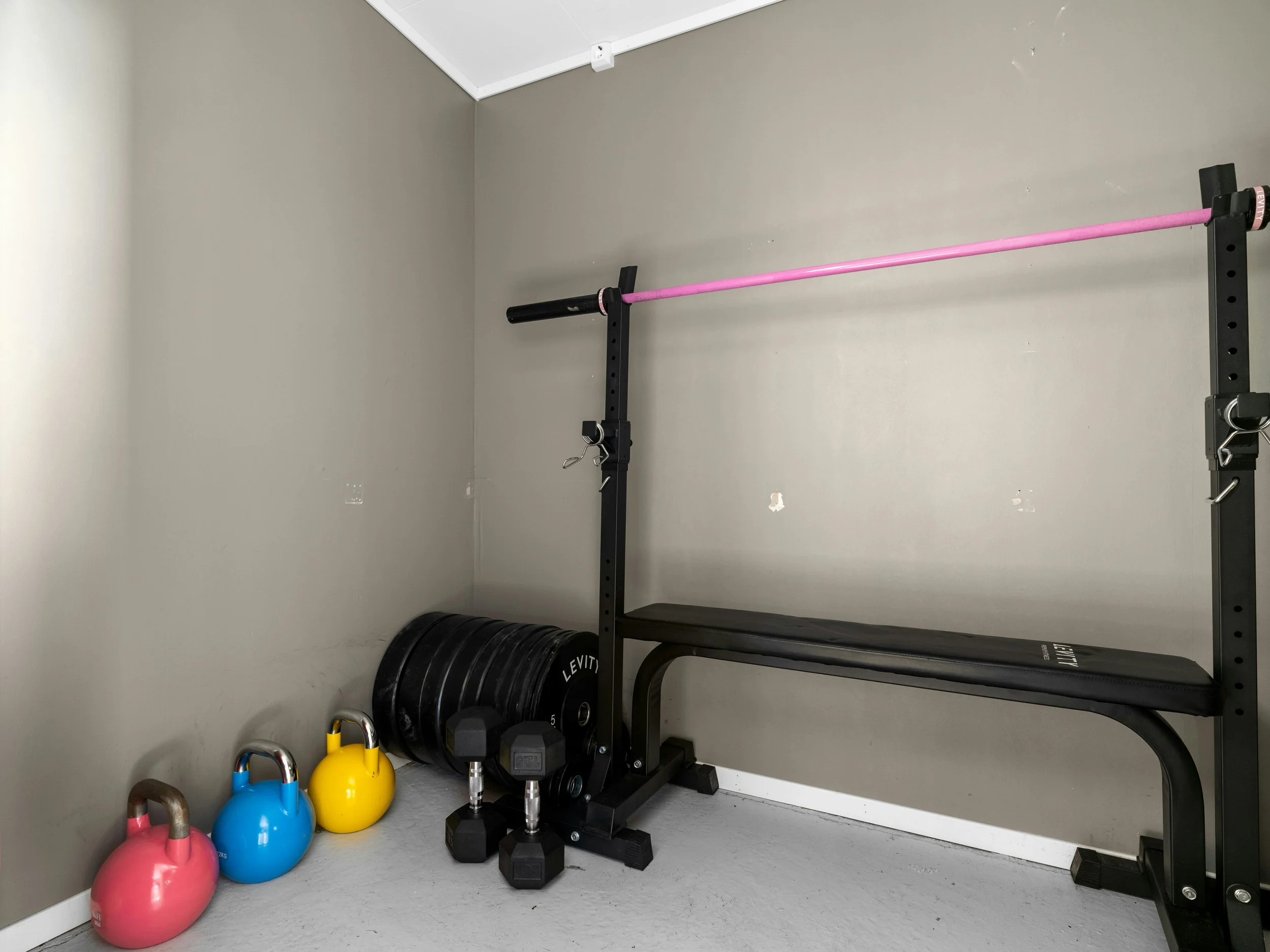
Home Gym Essentials for Under $100
You don't need a $2,000 treadmill or a smart mirror to see results. You need a plan and a few simple tools.
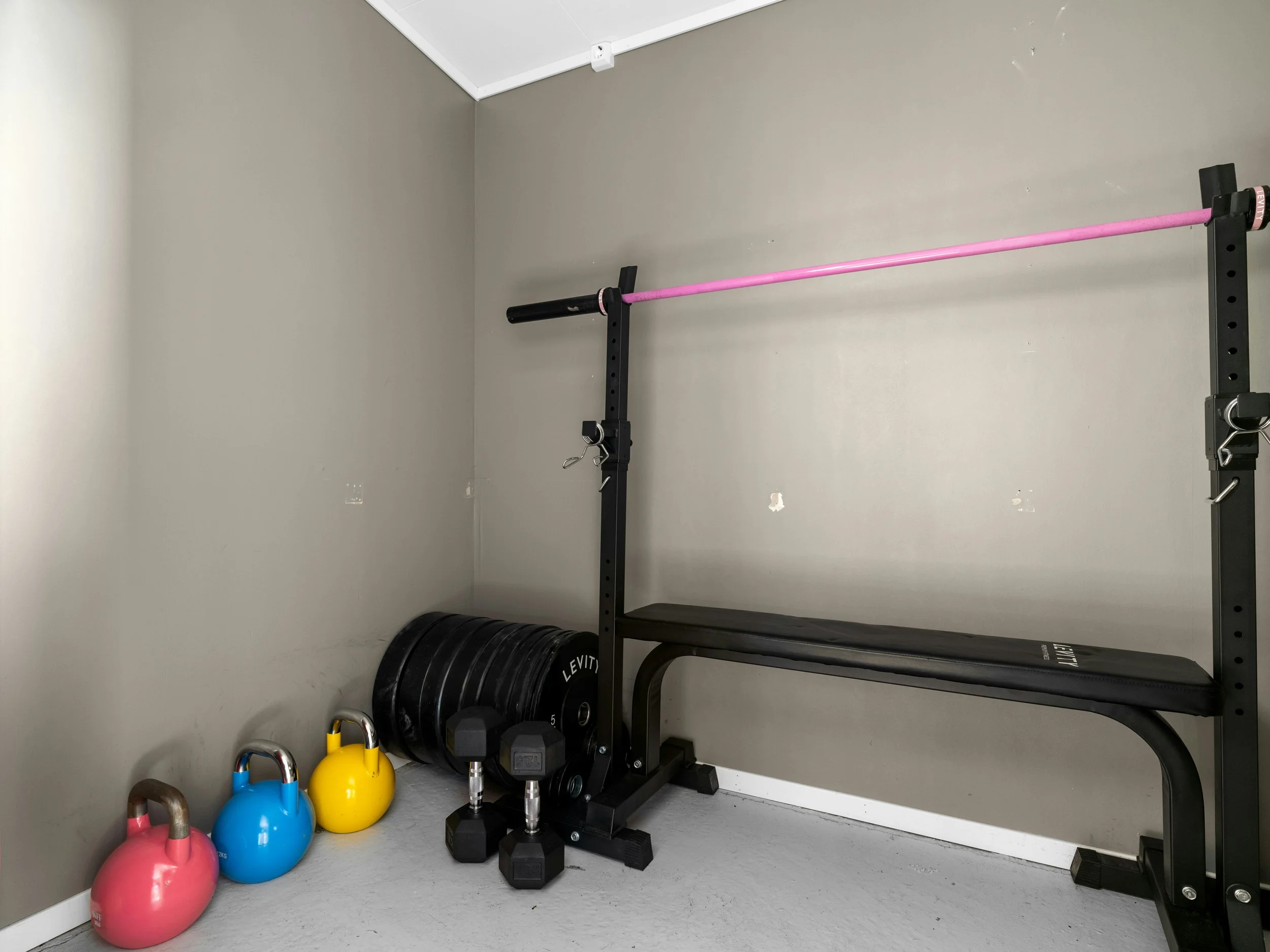
Image courtesy of Alex Tyson via Unsplash
January is the busiest month for big-box gyms. The parking lots are full, there is a line for every treadmill, and the weight room can feel a bit overwhelming. Many people decide to stay home instead, but they worry they can’t get a "real" workout without expensive machines.
I have some good news for you. You can build a highly effective "Legacy Home Gym" for less than the cost of a single pair of high-end sneakers. If you have $100 and a small corner of your living room, you have everything you need to get into the best shape of your life.
The "Big Three" of Budget Equipment
When you are on a budget, you want tools that are "versatile." This means you can use them for dozens of different exercises. Here are the three things I recommend for every home setup:
A Set of Resistance Bands ($25 - $35): These are the most underrated tool in fitness. Unlike weights, bands provide tension through the entire movement. You can use them for squats, rows, chest presses, and even stretching. They weigh almost nothing and can be tucked into a drawer when you’re done.
A Single Kettlebell ($35 - $50): If you can only buy one "heavy" thing, make it a kettlebell. The off-balance handle makes your core work harder than a standard dumbbell. A 15-pound or 25-pound kettlebell is enough to start with for swings, lunges, and overhead presses.
A Doorway Pull-Up Bar ($20 - $30): Building a strong back is hard with just bodyweight. A simple bar that hooks onto your doorframe allows you to do pull-ups or "dead hangs," which are great for shoulder health and grip strength.
Using What You Already Have
You don't have to buy everything. Your home is already full of "gym equipment" if you look closely.
The Bench: A sturdy kitchen chair or the edge of your couch is perfect for tricep dips or elevated lunges.
The Weights: A backpack filled with books or a gallon jug of water (which weighs about 8 pounds) can serve as extra resistance for squats.
The Floor: Never underestimate the power of a push-up. It is one of the best upper-body exercises ever invented, and it costs zero dollars.
Why Home Workouts Win in January
The biggest barrier to fitness is "friction." Friction is anything that makes it harder to start. Having to drive 20 minutes to a crowded gym is high friction. Rolling out of bed and grabbing a kettlebell in your pajamas is low friction.
When you remove the excuses, you increase your consistency. You don't need a $2,000 treadmill or a smart mirror to see results. You need a plan and a few simple tools. Start small, build your collection over time, and focus on the work. Your body doesn't know how much you spent on your equipment; it only knows that you showed up.

The Budget-Friendly Kitchen: Nutrient-Dense Eating That Doesn't Break the Bank
As the cost of living continues to rise, many people assume that healthy eating is only for the wealthy. This simply isn't true. At Legacy Fitness & Nutrition, we believe that the best nutrition is sustainable, both for your body and your wallet.
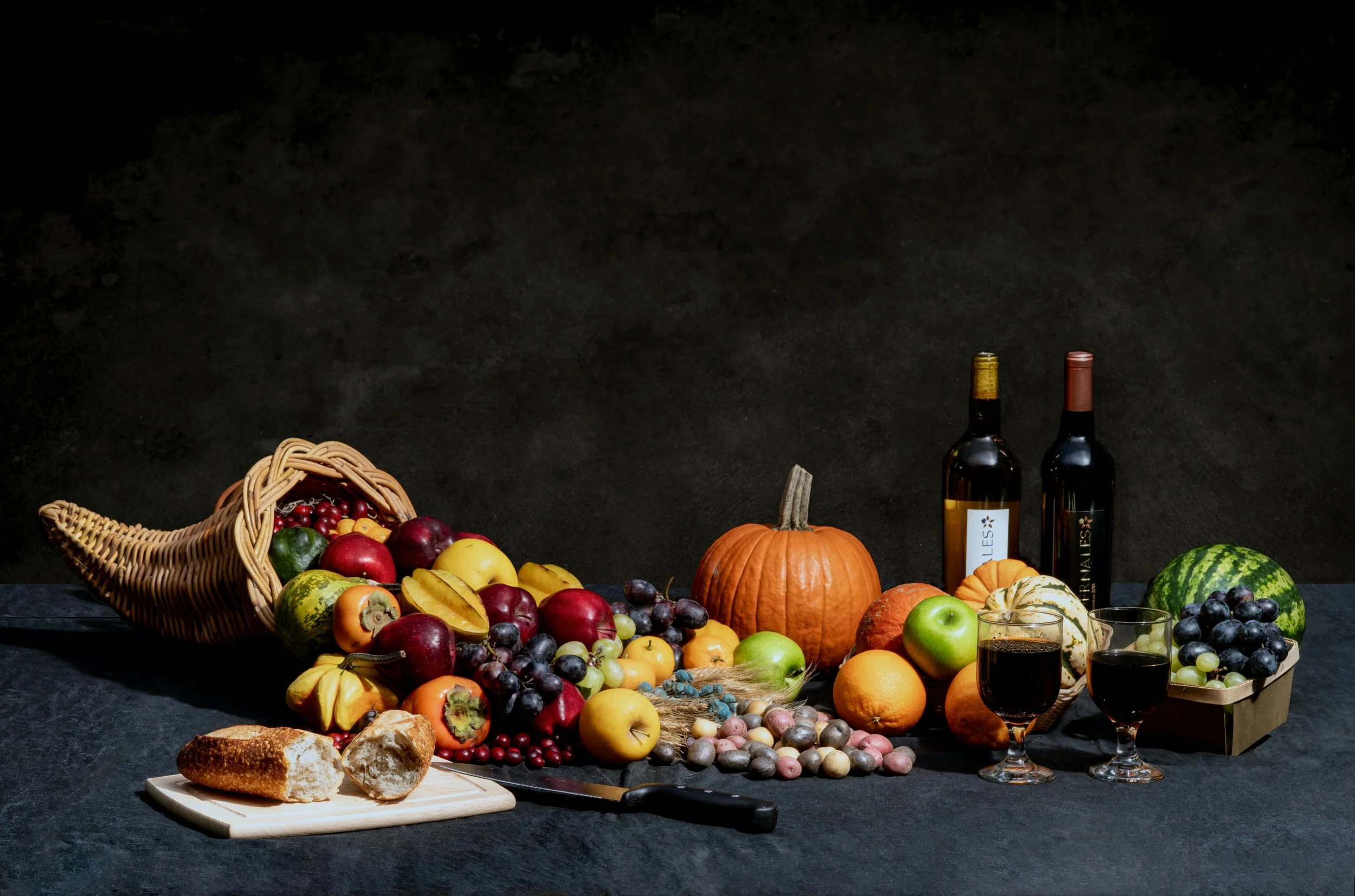
As the cost of living continues to rise, many people assume that healthy eating is only for the wealthy. When you see grocery prices go up, it’s easy to think that choosing the "healthy option" means buying expensive superfoods and organic cuts of meat.
This simply isn't true. At Legacy Fitness & Nutrition, we believe that the best nutrition is sustainable, both for your body and your wallet. This fall, as you start budgeting for holiday travel and gifts, let’s talk about how to focus on nutrient-dense and budget-friendly staples that give you the biggest bang for your health dollar.
The key to affordable nutrition is shifting your focus from "expensive specialty foods" to "versatile staples."
The Fall Power Trio: Cheapest Muscle-Builders
You don't need fancy protein powders or gourmet ingredients to build muscle and stay full. These three categories are the foundation of affordable, high-quality nutrition:
1. Eggs: The Perfect Protein
Why they're great: Eggs are perhaps the most complete and affordable protein source on the planet. They are versatile and provide essential fats, vitamins, and minerals.
Budget Tip: Buy them in bulk (18-count) and always keep a batch of hard-boiled eggs in the fridge for a quick snack or meal addition. They are the ultimate fast food.
2. Dried Beans and Lentils: Fiber, Protein, and Iron
Why they're great: Beans and lentils are a perfect source of fiber and plant-based protein, which keeps you full for hours. They are incredibly cheap when purchased dried.
Budget Tip: Buy dried beans (black, kidney, pinto) and cook a huge batch in a slow cooker. Freeze them in smaller portions to use later. They are the base for chili, soups, and healthy sides.
3. Canned Fish (Tuna and Sardines): Omega-3 Fighters
Why they're great: We all need Omega-3 fatty acids for brain, joint, and heart health, but fresh fish is costly. Canned tuna, salmon, or sardines are affordable ways to get high-quality protein and Omega-3s.
Budget Tip: Mix tuna or canned salmon with Greek yogurt (another affordable protein source) and some chopped onions for a simple, high-protein sandwich filler or cracker spread.
Harnessing Fall's Natural Bounty (Seasonal Produce)
The easiest way to save money on produce is to buy what is in season. When fruits and vegetables are in season, they are more abundant, taste better, and are cheaper. Fall is the season of comfort, root vegetables, and filling, hearty foods:
Squash (Butternut, Acorn, Spaghetti): These are nutrient powerhouses, rich in vitamins A and C, and they store well for months. Roast them with a little olive oil and salt for a Smart Carb side dish.
Apples and Pears: Great for fiber and sweetness. They’re perfect for healthy snacking.
Root Vegetables (Carrots, Sweet Potatoes, Onions): These form the base of affordable, nutrient-dense soups and stews. They are great for batch cooking and meal prepping.
The Freezer and Pantry Are Your Friends
To make healthy eating budget-friendly, you need to think ahead.
Frozen Produce is Equal: Don't skip frozen fruits and vegetables! Frozen broccoli, spinach, and berries are often cheaper than fresh, are picked at peak nutrition, and are perfect for smoothies and stir-fries.
Batch Cooking is Budget Cooking: Dedicate one hour on a Sunday to preparing bulk items: cook all your rice or quinoa, make a large pot of chili or soup, and cook a chicken or pork shoulder. Having healthy food ready means you won't waste money on fast food or takeout when you’re tired.
Meal Planning Saves Money: Before you shop, plan your meals around the protein sources you already have (eggs, lentils, chicken). This stops you from impulse buying and keeps your list tight and efficient.
You can build a strong, healthy body, support your fall routine, and prepare for the financial demands of the holidays without overspending. The secret is simplicity, planning, and focusing on the core foods that deliver the most nutrition for every dollar.