
"Protein Power" for the New Year: How to Use the Ultimate Macro to Stop Resolution Cravings
This New Year, forget the crash diets. Focus on empowering your body with the ultimate macro.
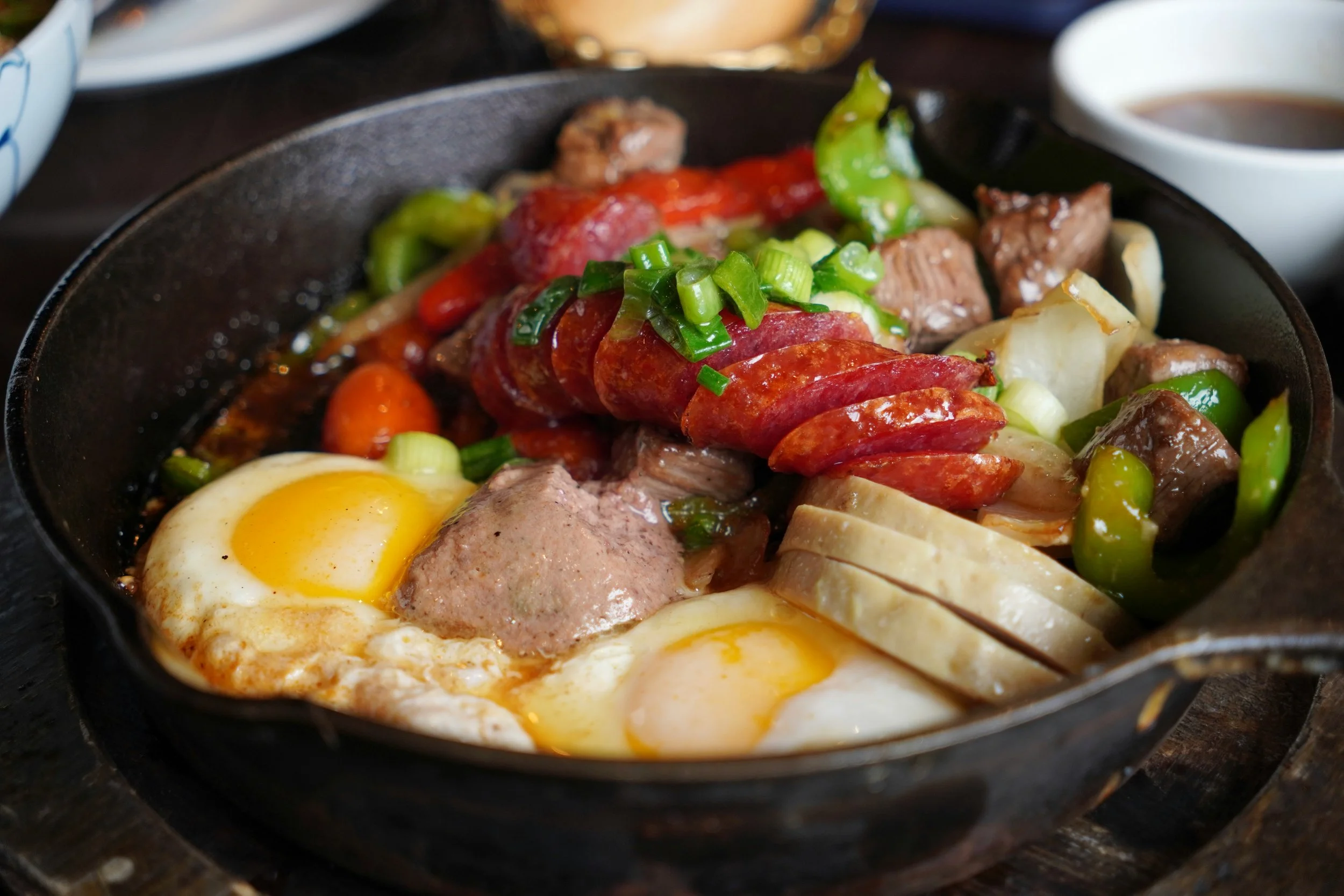
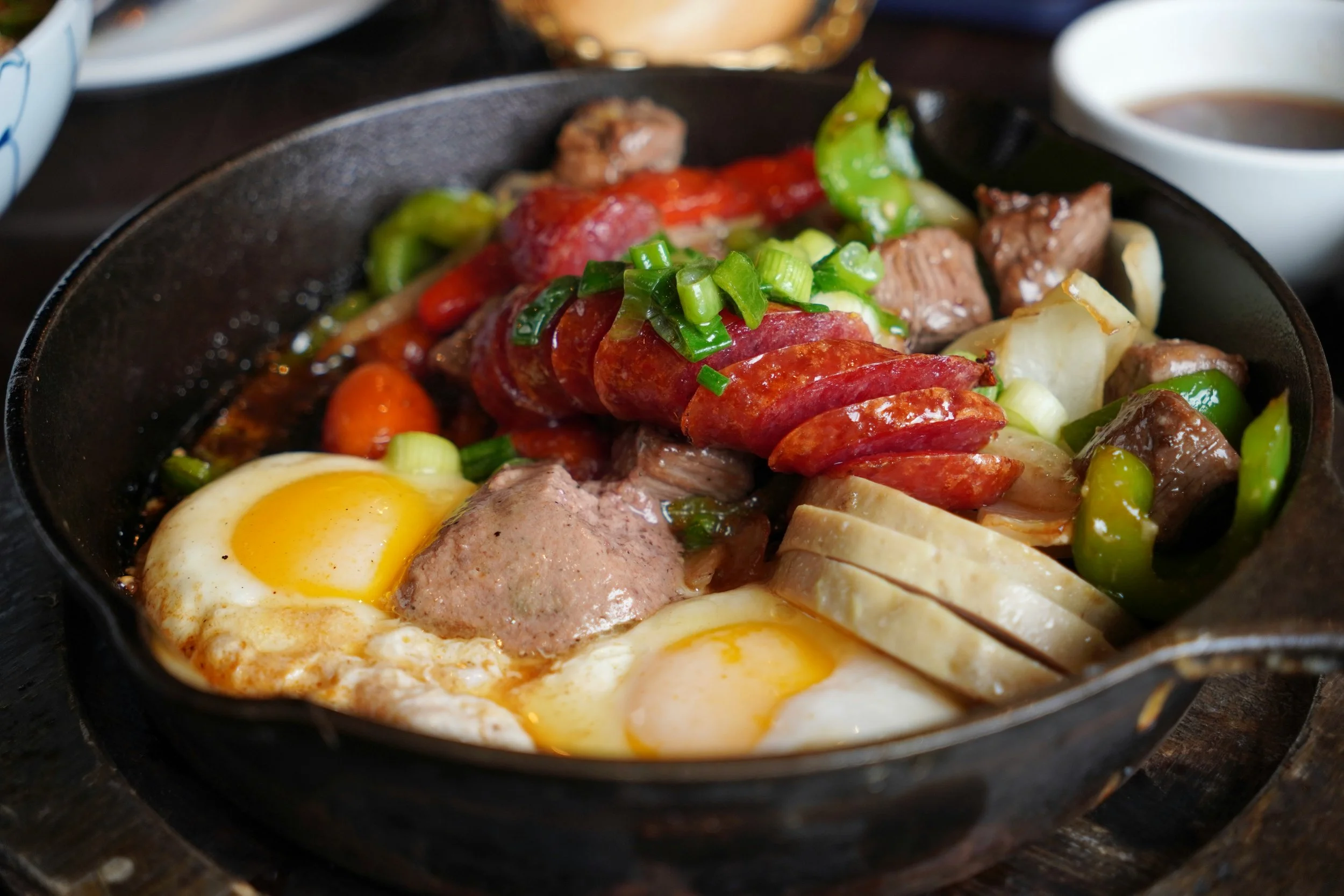
Image courtesy of Brett Wharton via Unsplash
As the calendar flips to January, millions of people will try to lose weight by cutting carbs, cutting fat, or simply cutting calories. While restriction can work temporarily, it often leads to intense cravings, fatigue, and the inevitable return of the weight.
At Legacy Fitness & Nutrition, we encourage a different approach for the New Year: Stop focusing on what you need to cut, and focus on what you need to add.
The single most powerful addition you can make to your diet for long-term weight management and successful resolutions is Protein. Protein is the ultimate macro-nutrient because it directly impacts your energy, muscle, and most importantly, your hunger.
If you are serious about stopping those resolution-killing cravings, you need to unleash the power of protein.
The 3-Way Craving Killer
Protein works on three different levels to stabilize your body and eliminate the craving cycle that derails most New Year's resolutions:
1. The Satiety Signal (Fullness)
Protein takes longer to digest than carbohydrates. When you eat protein, it sends powerful signals to your brain that you are full and satisfied.
Result: A meal high in protein means you will feel satisfied for hours. If you eat a carb-heavy breakfast (like a bagel), you crash fast and are hungry an hour later. If you eat a protein-heavy breakfast (like eggs), you stay full until lunch, eliminating the mid-morning snack craving.
2. Blood Sugar Stability
Cravings are often caused by blood sugar rollercoaster rides. When you eat refined sugar or high-starch carbs alone, your blood sugar spikes quickly, then crashes, leaving you exhausted and craving another quick sugar fix.
Result: Eating protein with carbohydrates slows down the absorption of sugar into your bloodstream. This keeps your energy and blood sugar levels steady, removing the extreme highs and lows that cause those frantic, urgent cravings.
3. Metabolism Maintenance
As we've discussed, muscle is metabolically active, meaning it burns calories even when you are resting. When you are trying to lose weight, you want to burn fat, not muscle.
Result: A high-protein diet helps your body maintain and even build lean muscle tissue, especially when paired with strength training. This protects your metabolism and ensures that the weight you lose is fat, not the muscle that helps keep the weight off for good.
Your New Year's "Protein Power" Playbook
You don't need to live on chicken breast. You just need to be strategic about how you add protein to every single meal.
1. The 30-Gram Breakfast Rule
Your first meal of the day is critical for controlling hunger for the next 12 hours. Aim for a target of 30 grams of protein at breakfast.
Example: 4 scrambled eggs and a piece of whole-wheat toast, or a large Greek yogurt with protein powder mixed in.
Why it Works: This big dose of protein sets your satiety hormones right for the entire day.
2. Protein as the Snack Foundation
If you need a snack, make protein the base, not the bonus.
Instead of: A handful of chips or pretzels (zero protein).
Do This: Cottage cheese, beef jerky, a small protein shake, or an apple with a tablespoon of peanut butter.
3. Eat Protein First at Every Meal
Whenever you sit down to eat, prioritize eating the protein source first before moving on to the carbohydrates or fats.
Why it Works: This ensures the protein hits your stomach first, maximizing the satiety signal and helping to blunt the blood sugar response from the other macros.
This New Year, forget the crash diets. Focus on empowering your body with the ultimate macro. By unleashing Protein Power, you gain control over your hunger, protect your metabolism, and build a lasting health legacy.

Meal Sequencing: The Simple Trick to Better Blood Sugar Control at Your Holiday Table
The holidays are a wonderful time for celebration, but they often come with a side of worry about heavy meals and blood sugar spikes.
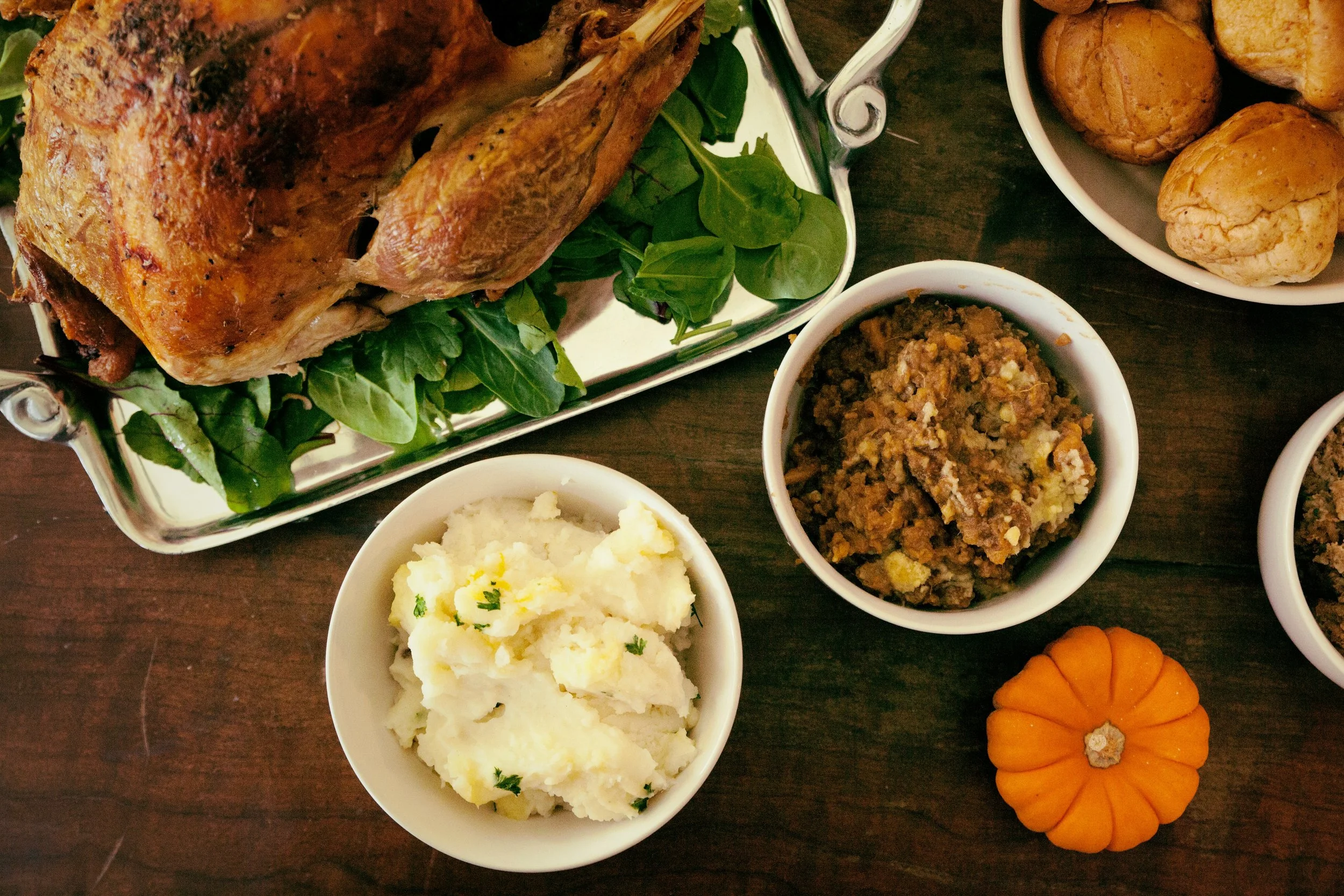
Image courtesy of Megan Watson via Unsplash
The holidays are a wonderful time for celebration, but they often come with a side of worry about heavy meals and blood sugar spikes. When you’re faced with a lavish holiday spread complete with starches, desserts, and rich gravies, it’s easy to feel sluggish afterward, a common sign of a big blood sugar roller coaster.
But what if you could enjoy the food you love and dramatically reduce that post-meal crash without dieting or cutting carbs?
The secret lies in meal sequencing: simply changing the order in which you eat your foods. This powerful, simple trick leverages science to protect your blood sugar, reduce insulin spikes, and keep your energy stable, allowing you to enjoy your holiday meal without the guilt or the crash.
The Science: Why Order Matters
When you eat food, your body breaks down carbohydrates into glucose (sugar), which enters your bloodstream. The faster this happens, the higher the spike.
The key players in meal sequencing are fiber, fat, and protein. These three nutrients slow down digestion and create a physical barrier in your stomach and small intestine.
If you eat carbs first (like a roll or mashed potatoes), they hit your system fast. If you eat fiber, protein, and fat before those carbs, they coat the intestinal walls, acting like a traffic jam to slow the absorption of glucose.
The Best Sequence: Veggies ➔ Protein ➔ Starches
To use meal sequencing effectively at the holiday table, simply apply this proven order:
Step 1: The Starter: Veggies and Salad (The Fiber Barrier)
Begin your meal with the non-starchy vegetables (like green beans, salad, or raw carrots) and a protein-rich appetizer.
Action: Eat your fiber first! A high-fiber start helps create that viscous, gel-like barrier in your gut that slows down the entire digestive process.
Holiday Application: Start with a small salad, green bean casserole (focus on the beans, not the crunchy topping), or even a few stalks of celery.
Step 2: The Main Event: Protein and Healthy Fats (The Speed Bump)
Move on to the turkey, ham, or any other protein source, along with healthy fats (like avocado or nuts, if available).
Action: Protein requires more complex digestion and dramatically slows down gastric emptying (how fast food leaves your stomach). This provides the major braking action for the incoming glucose.
Holiday Application: Focus on a generous serving of turkey breast or your main protein, savoring it before moving on.
Step 3: The Finale: Starches and Sugars (The Slow Release)
Finish your plate with the heavier starches, breads, and desserts.
Action: Because the carbs are entering an environment already rich in protein and fiber, the glucose from the mashed potatoes, stuffing, or pie will be absorbed over a longer, gentler period. This flattens the blood sugar curve.
Holiday Application: Take a moderate portion of your favorite starch, but eat it last. This is not about restriction; it's about strategic placement.
Simple Rules for the Holiday Table
Don't Load the Plate All at Once: If you put everything on your fork at the same time, you negate the sequencing effect. Take a few bites of turkey, then a few bites of green beans, and finish with a small scoop of potatoes.
Take Your Time: Meal sequencing works hand-in-hand with mindful eating. Slow down and chew your food thoroughly. This aids digestion and gives your body's satiety hormones time to kick in.
Stay Hydrated: Drink water throughout the meal, but avoid sugary drinks, which deliver glucose straight into your system without the benefit of fiber or protein.
This year, treat your holiday meal as a simple science experiment. By using the secret of meal sequencing, you can enjoy all the wonderful flavors of the season while giving your body the stability it needs to keep your energy high and your focus sharp, all the way to dessert.

How Different Foods Affect Your Blood Sugar (and How to Use This to Your Advantage)
We're going to explore a simple but powerful idea called the Glycemic Index, and how understanding it can help you feel better, have more steady energy, and even improve your health, especially if you're dealing with blood sugar concerns.

Ever feel super energized after a meal, only to crash and feel tired an hour later? Or maybe you're trying to eat healthier but aren't sure which foods are truly helping you? This article is for you! We're going to explore a simple but powerful idea called the Glycemic Index, and how understanding it can help you feel better, have more steady energy, and even improve your health, especially if you're dealing with blood sugar concerns.
What is the Glycemic Index and Why Should You Care?
Imagine you eat a piece of white bread. Then imagine you eat a bowl of oatmeal. Do you think they affect your body in the same way? Not quite! The Glycemic Index (GI) is like a speedometer for how quickly the carbohydrates in a food turn into sugar in your bloodstream.
High GI foods (like white bread, sugary cereals, or fruit juice) are like hitting the gas pedal – they cause a quick and big jump in your blood sugar.
Low GI foods (like whole-grain bread, most vegetables, beans, and lean meats) are more like a slow, steady cruise – they cause a gentler, more gradual rise in your blood sugar.
Why does this matter to you?
Steady Energy, No Crashes: When your blood sugar shoots up fast and then drops, you often feel that "sugar crash" – tired, hungry, and maybe even a little grumpy. Low GI foods help keep your energy levels more stable throughout the day.
Feeling Fuller, Longer: Foods that cause quick sugar spikes can make you feel hungry again sooner. Low GI foods help you feel satisfied for longer, which can be helpful if you're trying to manage your weight.
Taking Control of Your Health: Regularly having big blood sugar spikes can put a lot of stress on your body over time. Learning about GI can give you a simple way to make smarter food choices that support your overall health.
How Your Food Choices (Using GI Info) Affect Your Health
Understanding the GI can be especially powerful if you're concerned about your blood sugar, perhaps if you have prediabetes or diabetes.
If you have Prediabetes: This means your blood sugar levels are higher than normal, but not high enough to be called full-blown diabetes yet. It's a warning sign, and a chance to make changes! Choosing more low GI foods is a fantastic way to help your body manage blood sugar better. It can help prevent or delay type 2 diabetes, keeping you healthier in the long run.
If you have Diabetes: For people with diabetes, keeping blood sugar levels stable is a daily challenge and a key to good health. Low GI foods can be a big help here. They lead to smaller, more controlled increases in blood sugar after meals, which can make it easier to manage your condition and reduce the risk of complications. It's not the only tool, but it's an important one, alongside counting carbs and watching portion sizes. Always chat with your doctor or a dietitian to create the best eating plan for you.
Common Misconceptions About the GI
It's easy to misunderstand the GI, so let's clear up a few common ideas:
GI isn't the only factor in "healthy": A candy bar might have a lower GI than a baked potato (because of its fat content slowing digestion), but that doesn't make the candy bar healthier! Always think about the overall nutrition – vitamins, minerals, and fiber.
How you cook matters: The way food is prepared can change its GI. For example, overcooked pasta has a higher GI than pasta cooked "al dente" (still a bit firm).
Everyone is a little different: Your body might react slightly differently to a food than someone else's. Also, what you eat with a high GI food can make a difference. Eating protein or fat with carbs can slow down sugar absorption.
Putting It All Together for Your Advantage
Thinking about the Glycemic Index doesn't mean you need to be a math expert at every meal. It's more about understanding the general idea:
Choose more whole, unprocessed foods: These are almost always naturally lower GI. Think whole grains, fruits with their skin, vegetables, lean proteins, and healthy fats.
Limit highly processed foods: These often contain refined sugars and flours that are high GI.
Balance your meals: If you do eat a higher GI food, try to pair it with a good source of protein, healthy fats, or fiber to help slow down its effect on your blood sugar.
By making a few smart switches, you can use the Glycemic Index to your advantage, keeping your energy steady, feeling fuller, and boosting your long-term health. It's a simple change that can make a big difference!
BTW, when writing this article, we found a great resource including an app over at https://glycemic-index.net/glycemic-index-chart/
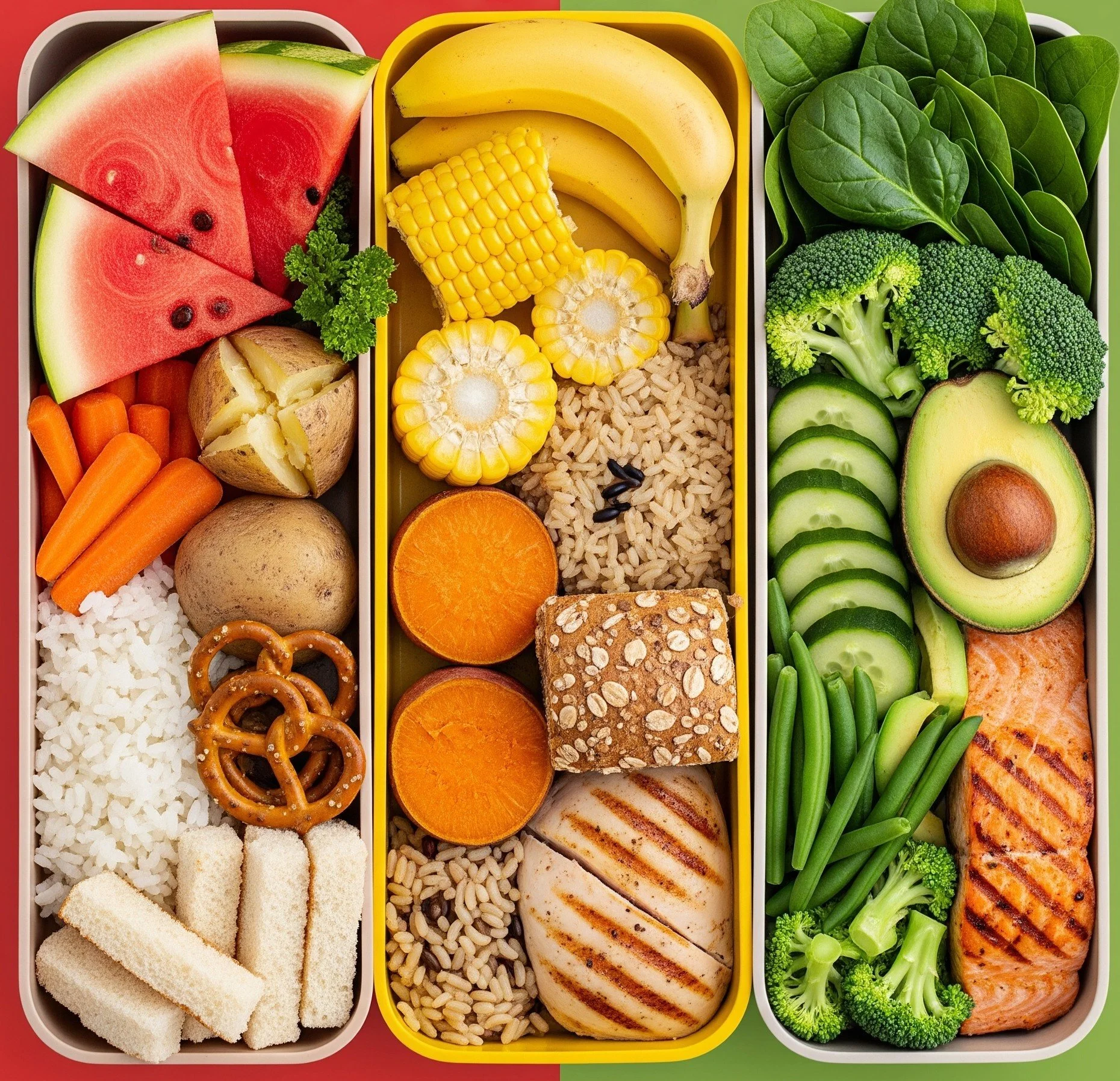
Some examples of high, moderate and low glycemic index foods. This image was created with the assistance of AI to avoid copyright issues.